

Most people meet their resting heart rate by accident: a smartwatch tells them it was 72 on Tuesday and 68 on Wednesday, and they want to know which one is real. Neither is. A single reading is noise. The number worth caring about is your weekly average, and it moves for reasons that are mostly fixable.
What resting heart rate actually measures
It is the number of beats per minute while you are fully at rest, and it is a proxy for stroke volume, how much blood your heart ejects per beat. A heart that fills and empties more effectively needs fewer beats to move the same blood. That is why trained athletes sit low and why dehydration, alcohol and poor sleep push the number up overnight.
How to measure it properly
- Take it first thing, before you sit up, before coffee, before the phone.
- Same conditions every day. A wrist strap beats a watch for accuracy; a manual count for 30 seconds at the wrist works too.
- Record seven days and average them. Compare averages, never single days.
- Illness, fever, poor sleep and alcohol all inflate readings for a day or two. Note them, then ignore those days.
What normal looks like
| Range (bpm) | Typical profile |
|---|---|
| 100 and above | Tachycardia at rest; check measurement conditions, then see a clinician |
| 60 to 100 | Standard adult reference range |
| 50 to 60 | Common in people who do regular aerobic work |
| Below 50 | Typical only in well-trained athletes; otherwise worth a clinical look |
Lever one: aerobic volume, mostly easy
This is the strongest single lever. Two to four sessions of 30 to 45 minutes at conversational intensity, sometimes called zone 2, is enough for most sedentary adults to see a measurable drop in resting heart rate within six to ten weeks. Conversational means you can speak in full sentences but not sing. If you can only train twice a week, do those two and stop feeling guilty about the rest.
Lever two: sleep quantity and consistency
Short sleep raises sympathetic nervous system activity, and your overnight heart rate reflects it more reliably than any single workout does. The fix is a fixed wake time within a 30-minute window, not eight hours of attempted sleep. Most adults need seven to nine hours.
Lever three: alcohol
Two drinks on a Friday night will raise nocturnal heart rate for most people and the effect lasts into Saturday. If your readings spike after social evenings, you already know the cause. This is the fastest lever to test: two dry weeks and your own data will answer the question.
Lever four: hydration and sodium balance
Low plasma volume means the heart beats faster to move the same amount of blood. This is the least glamorous fix and often the quickest: consistent fluid intake, especially in heat and during training, and not swinging salt wildly between days.
Lever five: stress and breathing practice
Slow-paced breathing, roughly six breaths a minute for ten minutes, produces short-term reductions in heart rate and is the only lever here you can do at a desk. It is not a substitute for training, but it stacks with it.
A four-week plan
| Week | Add | Watch |
|---|---|---|
| 1 | Nothing. Measure daily and establish a baseline average. | Seven readings, same conditions |
| 2 | Two easy 30-minute cardio sessions; limit alcohol to one occasion. | Average vs week one |
| 3 | Add a third session; set a fixed wake time. | Whether readings after social nights normalise faster |
| 4 | Ten minutes of slow breathing on non-training days. | Compare week-four average with week-one average |
When to see a doctor instead
A resting rate above 100, below 50 without an athletic history, or any new change accompanied by dizziness, fainting, chest discomfort or palpitations deserves a clinical evaluation rather than a training plan. The same applies to an irregular rhythm, which a rate number alone will not tell you.
Does caffeine really raise it?
Yes, temporarily. A caffeinated drink within a few hours of measurement can raise both resting heart rate and blood pressure, which is one reason the standard advice is to take the reading before coffee rather than after it. Habitual drinkers develop partial tolerance, so the effect is smaller in daily drinkers than in occasional ones. If you drink coffee, keep the timing identical day to day; changing when you drink it changes the number more than most training changes do.
Illness, allergies and the seasons
A raised resting rate is often the first sign of an infection, appearing 24 to 48 hours before symptoms and staying elevated for several days after recovery. Seasonal allergies do the same thing, less dramatically. Hot weather raises it too, because the body pumps more blood to the skin to lose heat. Compare each week against the same season, not against a January baseline.
What wearables get right, and what they get wrong
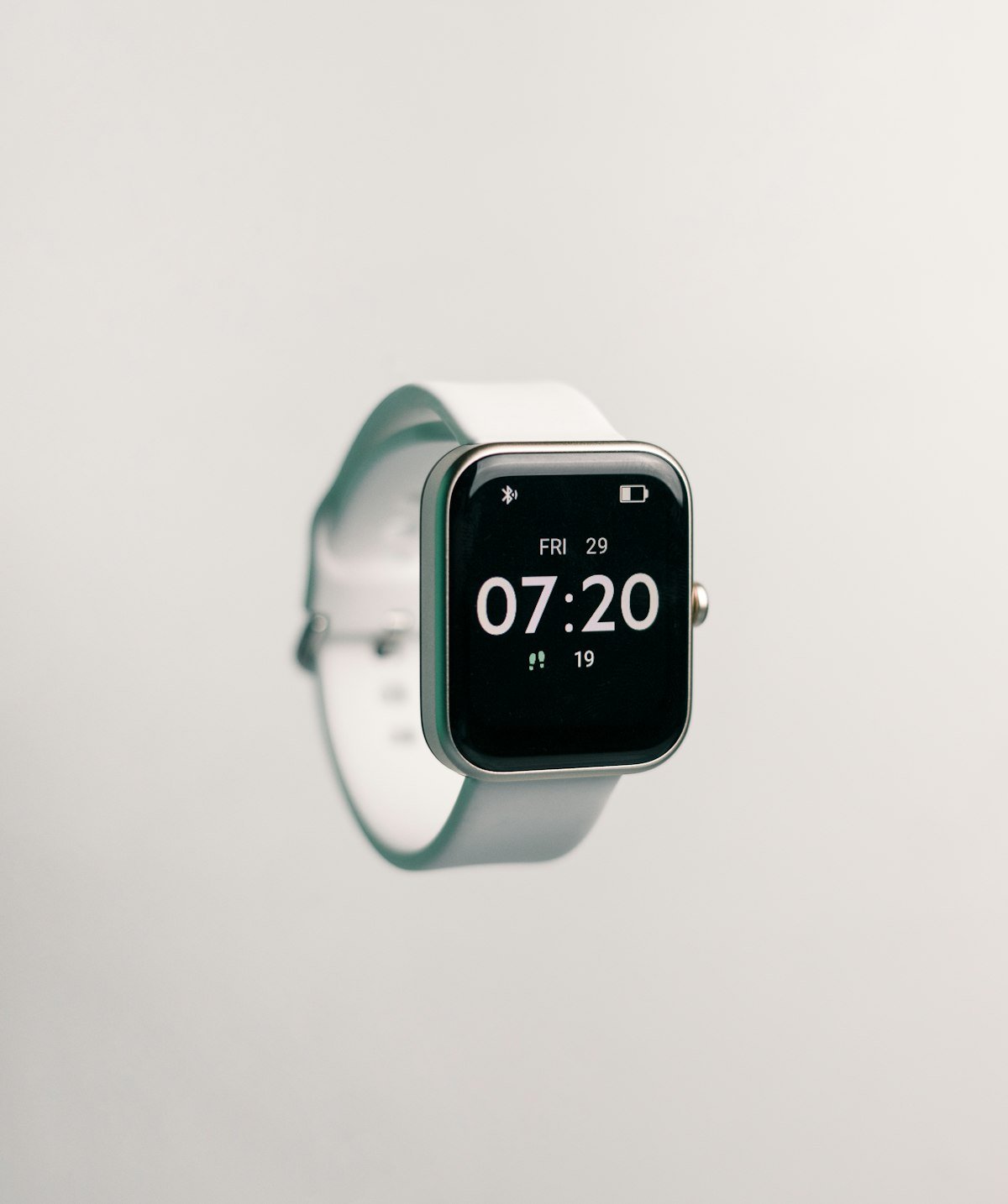
Optical wrist sensors are accurate enough for trend tracking but drift with fit, movement and skin perfusion; a chest strap or a manual pulse count is the reference. The National Heart, Lung, and Blood Institute notes that a resting pulse measured at the wrist or neck for a full 60 seconds is the reliable method, and that a single device reading should never be treated as a diagnosis. The practical rule: use the watch for the trend line, and confirm anything surprising by hand.
Medications that move the number
Beta blockers lower it, inhalers and thyroid medication raise it, and decongestants can push it up for hours. If you start or change any prescription, note the date in your log before drawing conclusions about training. Dose changes matter: the same inhaler that helps breathing can push the rate up by several beats per minute for a few hours.
The 60 to 100 bpm reference range is the standard adult clinical guideline, and athlete bradycardia is well documented in endurance populations. Improvements in resting heart rate with regular aerobic training are among the most consistently reproduced findings in exercise physiology; the four-week plan above reflects typical adaptation timelines rather than a guaranteed rate of change.