

Week one feels like nothing. That is the honest starting point, and it is why most people quit before the interesting part begins. Walking is the only exercise whose benefits arrive on a schedule you can actually measure, but the schedule is slower than the marketing suggests.
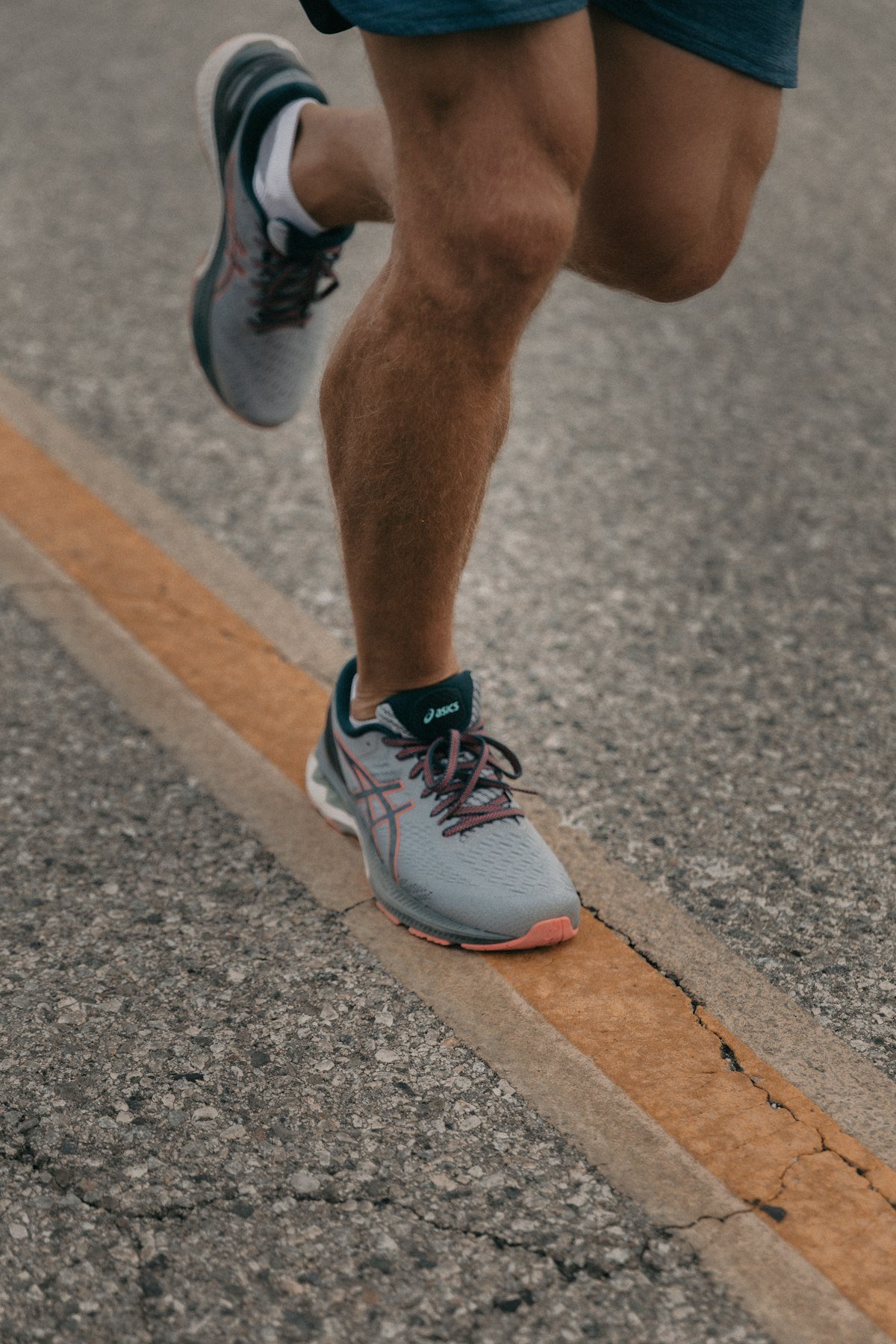
Here’s the thing: you don’t need a gym, a programme or new shoes to start. You need thirty minutes and a route that doesn’t involve crossing six roads. So the question isn’t whether walking works. It’s what changes, and when.
Week by week: what actually changes
| Time | What changes | How to notice it |
|---|---|---|
| Days 1-7 | Blood sugar handling after meals improves; sleep onset shortens slightly; calves and shins ache in a way you forgot existed | Faster walks after dinner, less afternoon fog |
| Weeks 2-3 | Resting heart rate starts to drop, walking feels easier at the same pace, resting blood pressure begins to fall | Compare your weekly morning pulse average, not one day |
| Weeks 4-6 | Verifiable cardiovascular adaptations: stroke volume up, the same pace costs fewer beats; mood and stress reactivity improve measurably | Resting rate down 3-8 bpm is typical for a previously sedentary adult |
| Weeks 8-12 | Small but real changes in waist circumference and body fat when appetite doesn’t creep; blood pressure improvements consolidate | Waist at navel level, monthly; fasting lipid panel at 8-12 weeks |
Blood pressure and heart rate: the numbers
This is where walking punches above its weight. The physical activity guidance from the CDC puts adults at 150 minutes of moderate activity per week, and walking 30 minutes a day clears that bar outright. In trials of regular walking programmes, typical reductions in systolic blood pressure land in the 5 to 8 mmHg range for people with elevated readings, which is roughly a third of what a low-dose antihypertensive achieves.
Resting heart rate moves for the same reason stroke volume rises: a heart that ejects more blood per beat needs fewer beats. If you already track it, our guide to lowering your resting heart rate naturally covers the measurement protocol, because a single Tuesday reading tells you nothing.
Joints, digestion and mood
Walking is the low-impact cardio that actually suits people who can’t run. Knee and hip cartilage receives nutrient supply through compression and release rather than blood flow, which is one reason regular walking reduces joint pain in osteoarthritis rather than worsening it.
Post-meal walking is the underrated digestive habit. Ten minutes after eating improves glucose handling more than the same activity done at another time of day, which is a genuinely useful trick for anyone whose energy collapses after lunch.
Mood effects show up early, usually within the first two weeks, and are separable from fitness gains: the mechanism appears to involve increased cerebral blood flow and endocannabinoid activity rather than endorphins, which is a myth worth retiring.
Weight: the honest part
Thirty minutes of walking burns roughly 120 to 180 calories depending on pace, weight and terrain. That’s real but modest, and it’s why walking alone often fails as a weight-loss strategy: appetite rises to match the new expenditure, and the deficit quietly closes.
The fix is to pair walking with a protein target rather than with more cardio. If you’re already eating deliberately, our high-protein meal prep guide solves the food half of that in two Sunday hours. If you’re not, walking will make you hungry and then disappoint you, which is the most common failure mode we see.
How to start without quitting
- Start with three 10-minute walks, not one 30-minute walk. Same total, far better adherence.
- Pick a route that starts at your door. Routes requiring a car get skipped within two weeks.
- Buy one pair of shoes that fit properly. Blisters and shin pain are the top physical reasons people stop.
- Set a weather rule in advance: rain means the indoor loop, the mall or the stairs, not a cancelled day.
- Add resistance work twice a week once walking feels normal. Our beginner strength training guide covers the minimum effective version.
Five mistakes that end it
- Doing too much too soon, then reading soreness as injury.
- Tracking steps instead of time, which turns a walk into a maths problem.
- Only walking when motivated. Motivation is a poor scheduler; a fixed time is not.
- Compensating with food, which erases the deficit within a week.
- Stopping once the scale stalls, before the eight-to-twelve-week window where measurable change appears.
Frequently asked questions
Is 30 minutes of walking really enough?
Yes, for the general health target of 150 minutes of moderate activity per week. It is not enough on its own for strength, which needs resistance work twice a week.
Is indoor walking as good as outdoor walking?
Close enough to count. Terrain and wind resistance change the calorie cost slightly, but the cardiovascular and metabolic adaptations are similar.
How fast should I walk?
Fast enough that you can talk but not sing. For most adults that is 4.8 to 6.4 km/h (3 to 4 mph), and slower still if you are returning after a long break.
Should I walk before or after breakfast?
Either works. After meals is better for blood sugar control; before breakfast is fine if that is when you can be consistent. Consistency beats timing.
Does more walking help more?
Up to a point, and less than you would expect. Moving from 30 to 60 minutes a day adds cardiovascular benefit but only a small amount of additional fat loss, because the extra calories are small and appetite responds to them. The better use of extra time is splitting it: two 15-minute walks after your two largest meals beat one long weekend walk for glucose control, and a twice-weekly resistance session buys more strength and metabolic benefit than a third hour of walking ever will.
After about 60 minutes a day of walking, most people get more return from improving what they eat and adding load training than from adding distance. That is where the two companion guides on this site earn their keep.
The 150-minute weekly activity target and the blood-pressure and glucose findings cited here reflect CDC and WHO physical activity guidance and the intervention trials behind them. Calorie figures assume a 70 kg adult at a moderate pace; anyone with cardiovascular, joint or metabolic conditions should clear a new activity routine with a clinician.