

Two years ago I was the person who ate the same three lunches every week. Turkey sandwich, rice bowl, pasta from a jar. Rotating. Fine. Then one stretch of brutal weeks at work left me bloated by 3 p.m. almost every day, and I finally admitted the problem wasn’t the stress. It was that my gut was living on about six kinds of food total.
So I went down the gut-health rabbit hole — not the supplement-ad version, the actual research version. Here’s what changed things for me, what I wasted money on, and what the science really says.
Diversity beats any single superfood
This was the single most useful thing I learned: the bacteria in your gut largely thrive on fiber diversity, not on one miracle food. The large American Gut Project, which analyzed thousands of people’s microbiomes, found that people who ate 30+ different plants a week had noticeably more diverse gut bacteria than people who ate fewer than 10. “Plants” counts anything that grew from the ground — vegetables, fruit, nuts, seeds, legumes, grains, herbs, coffee, dark chocolate. Herbs and spices count as plants. That’s an easy win most people overlook.
I didn’t overhaul my diet. I just started counting. Turns out my “varied” diet was 12 or so plant types. Getting to 30 took embarrassingly small changes.
What a “30 plants” week actually looks like
It sounds harder than it is. Here’s a real day from my current routine, with each plant counted:
- Breakfast: oats, milk, blueberries, chia seeds, walnuts (5)
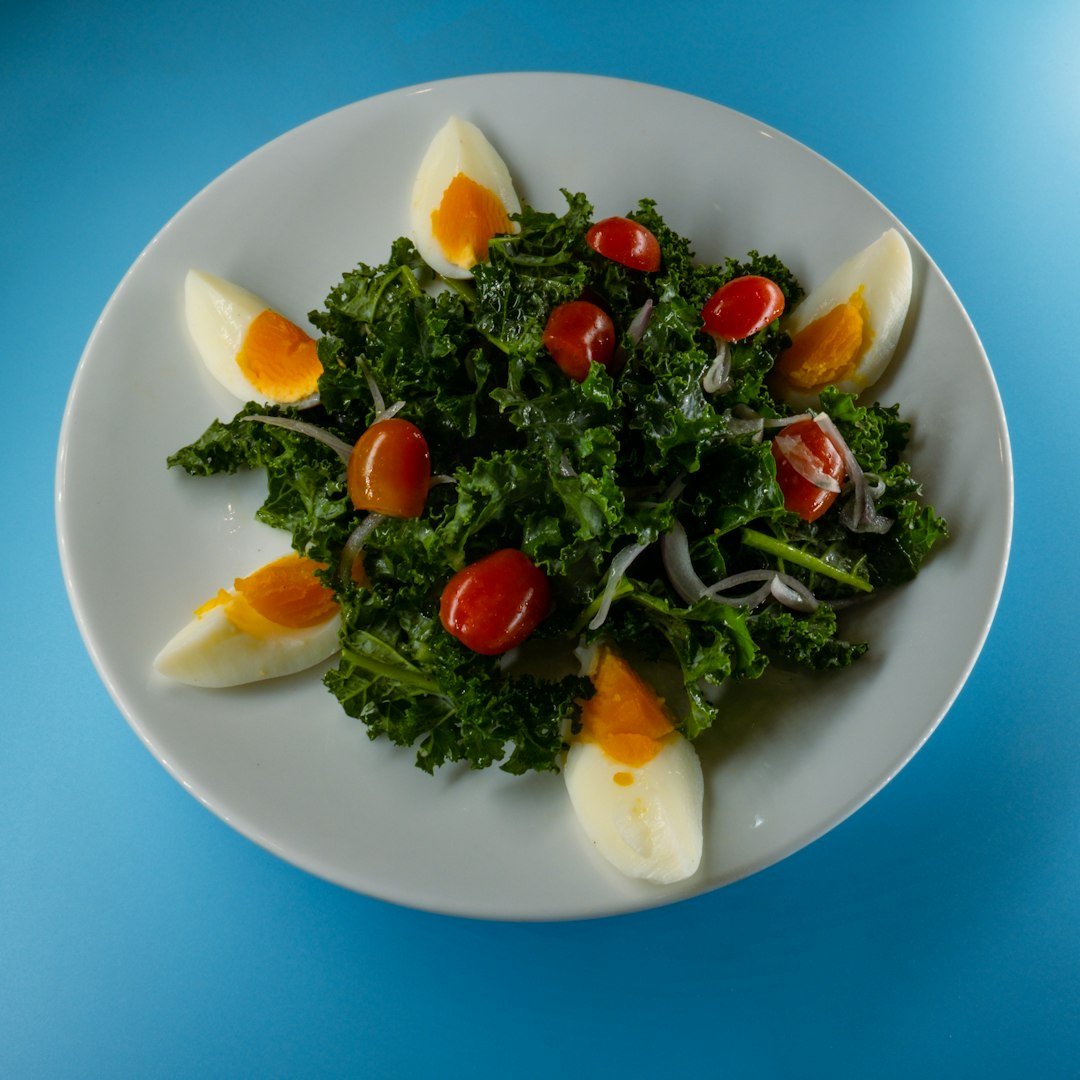
- Lunch: chickpea and kale salad with olive-oil-lemon dressing, an apple (5, counting the lemon)
- Dinner: stir-fry with garlic, ginger, bok choy, carrots, brown rice; black pepper on top (6)
- Snacks: a square of dark chocolate, green tea (2)
That’s 18 in one day. Different vegetables on day two and you’re at 30 without touching a supplement aisle.
Fermented foods: the one category worth taking seriously
A 2021 Stanford study put people on high-fiber versus high-fermented-food diets for ten weeks, and the fermented group was the one whose gut diversity actually increased — while some high-fiber people saw no benefit until their microbiome caught up. The takeaway wasn’t “take a probiotic.” It was: eat fermented food, regularly. Yogurt with live cultures, sauerkraut, kimchi, kefir. Two servings a day was roughly the study’s ballpark.
I keep a jar of sauerkraut in the fridge and eat a forkful most days. It cost me about $4 a month. Meanwhile I’d previously spent nearly $60 on a fancy probiotic capsule that did, as far as I could tell, exactly nothing for me. Yogurt won.
The stuff that sabotages things
| Habit | What it does to your gut | Practical fix |
|---|---|---|
| Ultra-processed food most days | Low fiber, emulsifiers and additives linked to lower microbial diversity | Cook one real meal a day; keep the rest simple |
| Chronic poor sleep | Gut bacteria follow a circadian rhythm; erratic sleep disrupts it | Consistent bedtime matters more than total hours |
| Frequent NSAIDs (ibuprofen etc.) | Can irritate the gut lining with regular use | Talk to your doctor if you take them most weeks |
| Antibiotics course after course | Knocks back the community; recovery takes months, not days | Only when actually needed; rebuild with plants and ferments after |
| Eating at a sprint | Worse digestion, more bloating for most people | Put the fork down between bites. Genuinely works. |
What to expect, and when
Be honest with yourself about timelines. The Stanford trial ran ten weeks. Microbiome studies generally show measurable shifts in 4–12 weeks of sustained diet change — not 4–12 days. When I started, week two was when things felt worse (more fiber, more gas, very undignified). That’s classic and usually temporary: the bacteria that ferment fiber need time to multiply before the load feels normal. Ramp up over a few weeks instead of all at once, and drink more water while you’re at it.
Also, skip the gut-health detox teas. All of them. They’re laxatives in cute packaging.
When it’s more than a sluggish gut
Not every bloated, tired person has a diet problem. The CDC and gastroenterology groups flag symptoms that deserve a proper workup rather than more sauerkraut: unintentional weight loss, blood in stool, symptoms that wake you at night, fever, or a sudden persistent change in bowel habits — especially over 45. I spent three months attributing my symptoms to stress before getting checked; a ten-minute visit would have saved me the guessing. If your “gut improvement plan” isn’t moving the needle after 6–8 weeks, that’s a doctor conversation, not a bigger supplement bottle.
The honest bottom line
There is no protocol. There’s just: eat from a wider grocery list, keep fermented food in rotation, sleep like you mean it, and give it two months. The Mayo Clinic makes the same unglamorous point on its gut-health guidance — diversity, fiber, ferments, movement, and consistency beat any product.
My bloating didn’t vanish overnight. It just… stopped being a daily event. Took about six weeks and a longer produce list. That’s it. That’s the secret.
More basics on healthy living and everyday wellness tips here on the site.
Expert review: This article was reviewed against guidance published by the Mayo Clinic and the CDC. It reflects general wellness information from a personal-experience perspective and isn’t a substitute for individual medical advice.