
It’s 6:40 a.m., the kettle clicks off, and the first sip hasn’t even landed before you’re already thinking about the second one. Then comes the 2 p.m. slump, the third cup “just to get through the meeting,” and the 11 p.m. stare at the ceiling. I tracked my own intake for two weeks last spring – every cup weighed, every can logged – and the number that came back explained more about my sleep than any bedtime routine ever did.
So let’s put actual numbers on the habit. And then answer the questions people actually ask me: how much is too much, why the afternoon crash happens, and how to cut back without spending a week with your head in a vise.
How much caffeine is actually in your cup?
More variety than you’d guess. The same “cup of coffee” can be 60 mg or 200 mg depending on how it was made, and that’s before anyone hands you a large.
| Drink or food | Typical caffeine |
|---|---|
| Brewed coffee, 8 oz (range 80-128 mg) | about 96 mg |
| Drip coffee from a cafe, 12 oz | about 145 mg |
| Espresso, 1 oz shot | about 64 mg |
| Cold brew, 16 oz | 150-200 mg |
| Instant coffee, 8 oz | about 63 mg |
| Energy drink, 8 oz | about 80 mg (some 16 oz cans: 160-200 mg) |
| Black tea, 8 oz | about 47 mg |
| Green tea, 8 oz | about 29 mg |
| Yerba mate, 8 oz | about 85 mg |
| Cola, 12 oz | about 34 mg |
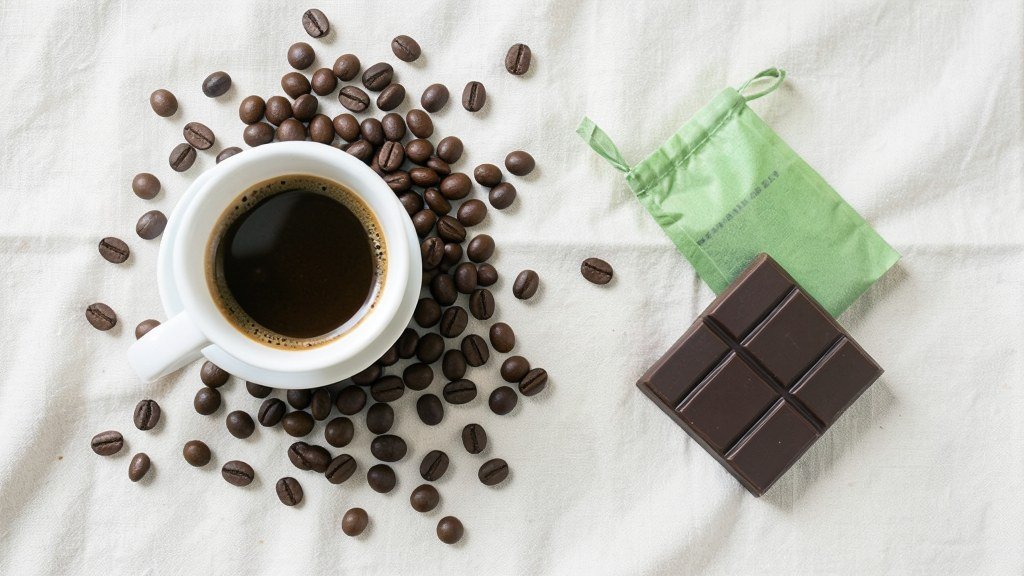
| Dark chocolate, 1 oz | about 24 mg |
| Decaf coffee, 8 oz | 2-12 mg (not zero) |
Two things jump out. A 16 oz cold brew can hold more caffeine than three espressos – and decaf still contains some. If you’re counting, the cup size matters more than the label.
So how much is too much?
The short answer most agencies give is 400 mg a day for healthy adults, which is roughly four 8 oz cups of brewed coffee. That’s the number the FDA uses, and it’s echoed in the NIH MedlinePlus overview on caffeine.
But the ceiling drops for some people:
- Pregnancy: 200 mg a day, per obstetric guidance – and caffeine clears more slowly as pregnancy progresses.
- Teens and kids: under 100 mg a day, or about 2.5 mg per kg of body weight.
- Some medications and birth control: oral contraceptives can roughly double caffeine’s half-life. So can liver conditions. Smoking roughly halves it.
- Anxiety, reflux, high blood pressure: your personal threshold may sit well under 400 mg.
And a caveat nobody likes: 400 mg is a daily total, not a per-cup limit. Three cafés and a soda gets there before lunch.
Why you crash at 2 p.m.
Caffeine doesn’t give you energy; it borrows it. It blocks adenosine receptors – the molecule that accumulates while you’re awake and makes you sleepy – without clearing the adenosine. So the sleep pressure keeps building behind the dam.
When the block wears off, all of that pressure arrives at once. That’s the crash. The timing depends on half-life, which averages about five hours but ranges from 1.5 to 9.5 hours between people, depending mostly on the CYP1A2 enzyme in your liver. If you’re a slow metaboliser, an afternoon coffee is still half-active at bedtime.
Is there a cut-off time before bed?
Yes, and the evidence is more specific than “don’t drink it at night.” In a controlled study of 48 adults (Drake et al., Journal of Clinical Sleep Medicine, 2013), the same dose of caffeine given 0, 3 and 6 hours before bedtime all disrupted sleep – and the 6-hour dose produced a measurable loss of about an hour of total sleep time.
Practical translation: if you go to bed at 10:30 p.m., stop by 4:30 p.m. And if you take a slow-metabolising medication, move that cut-off earlier. I moved mine to 1 p.m. and it took about ten days to notice the difference in how I wake up.
Signs you’re over your own limit
- Jittery hands or a racing heart within 30 minutes of a cup.
- The 3 p.m. crash needs a second fix to get through the evening.
- Sleep-onset takes more than 30 minutes even when you’re tired.
- Reflux or loose stools that track with coffee days.
- Anxiety that spikes on the days you drink more – and eases on the days you don’t.
- A headache by 11 a.m. if the cup is late (that’s withdrawal starting).
How to cut back without the headache
Caffeine withdrawal headaches are real and usually last two to nine days. The trick is tapering instead of stopping:
- Reduce by about 25% per week – half-caf is the easiest lever, since decaf still has 2-12 mg.
- Swap one 12 oz café for an 8 oz cup: same ritual, ~35% less caffeine.
- Drink the second cup slowly over an hour instead of finishing it in ten minutes.
- Hydrate first. A lot of “I need coffee” at 9 a.m. is overnight dehydration wearing a costume.
- Keep the timing fixed. Same hour every day beats dose-hopping.
What I actually do
One 8 oz cup at 8 a.m., one at noon, nothing after. On weekends I go half-caf at noon, which is how I found out how much of my Sunday afternoon anxiety was just caffeine. If you’re building a broader habit stack, the sleep piece matters more than most people want to admit – we covered how to stop eating after dinner for the evening-snacking half of that problem, and how to lower your resting heart rate naturally if the racing-heart part bothers you. For the supplement side of the same conversation, see how much vitamin D you actually need.
Evidence note: The 400 mg figure comes from FDA guidance as summarised by NIH MedlinePlus; the bedtime finding is from Drake and colleagues’ 2013 randomised crossover study in the Journal of Clinical Sleep Medicine (48 adults, fixed dose at 0/3/6 hours before bed). Individual limits vary with age, pregnancy, liver function and medications – so treat 400 mg as a ceiling, not a target.