
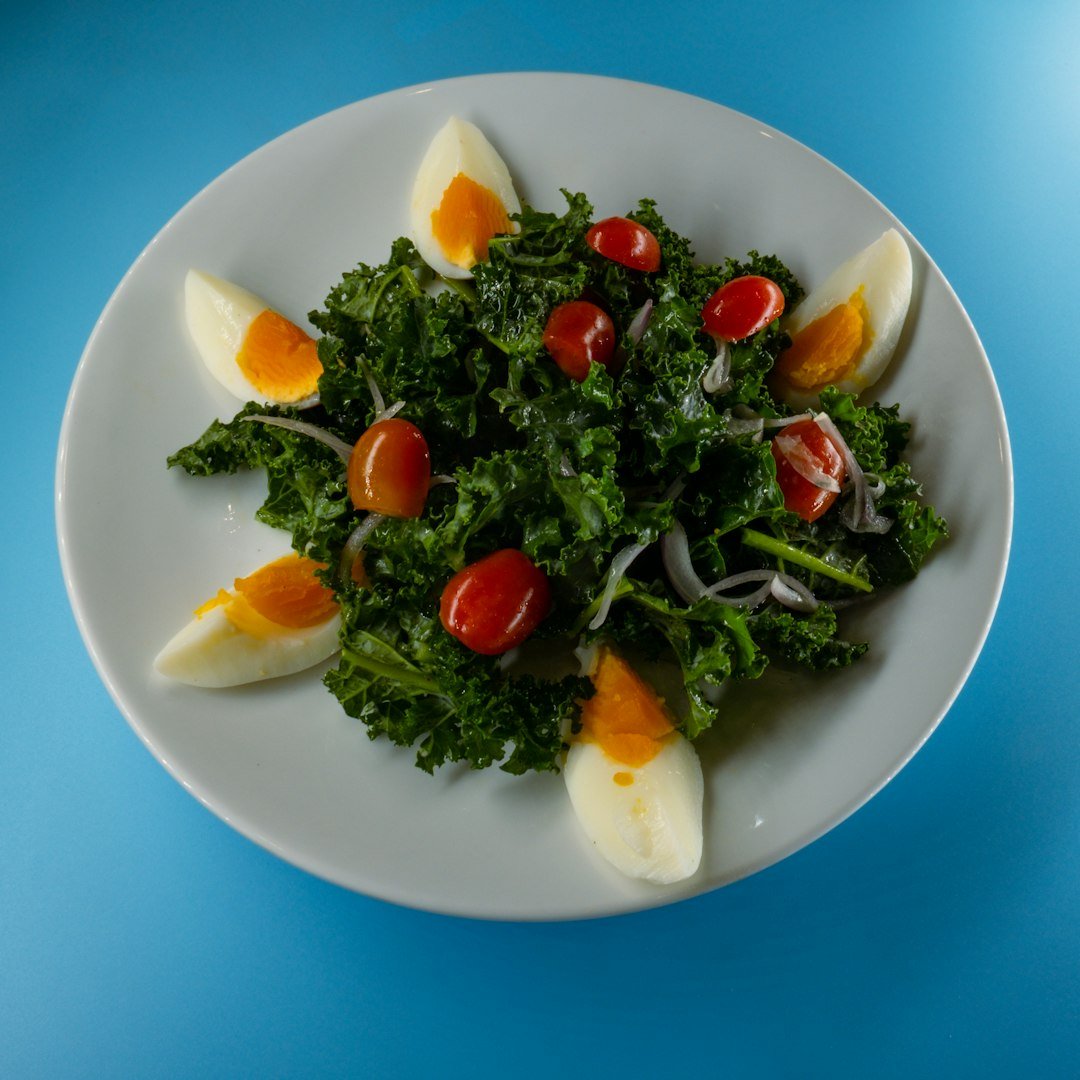

What Happens When You Actually Do It
The first time I made healthy morning routine habits for dinner, I followed the recipe exactly. The second time, I changed one thing. The third time, I changed three things. By the fifth attempt, it was nothing like the original recipe and everything I wanted it to be. My roommate thought I’d lost my mind the second time. The third time, they thought it tasted weird. The fourth time, they asked for more. That’s the real test: does it still taste good when you’re not trying to impress anyone?
The recipe calls for 2 cups of flour. I’ve always used 2 cups. But last time I used 1 and a half. Just because I was feeling lazy and the jar was almost empty..
It was fine. Better, actually. Less dough meant the filling actually came through. That’s a thing about recipes: they’re suggestions, not rules. I’ve followed recipes exactly and gotten mediocre results. I’ve also ignored them and gotten good results. The pattern? Trust your own judgment more than the recipe. The person who wrote the recipe has been doing this for years. You’ve been doing it for weeks or months. That doesn’t mean your judgment is worse. It just means you’ve less practice.
The Details
The other thing: timing. Not cooking time—the timing of when you eat it. I used to make this for dinner. Then I tried it for breakfast and realized it works just as well at any meal. I stopped overthinking when to have it. This applies to everything I cook. Not just this dish. When you eat it changes how it tastes. Dinner feels heavier. Breakfast feels lighter. Lunch is somewhere in between. I’ve tested this with every version of this recipe. The timing matters more than I expected.
wellness tips covers the basics in more detail. healthy living advice is worth checking too.
One thing I’ve noticed: people who cook a lot tend to have strong opinions about how this should be made. They’ll argue for ten minutes about salt vs pepper. Both are right. Just use both. But here’s what they don’t argue about: temperature. The people who actually cook this well know that temperature matters more than salt. A good pan, properly heated, does more than any seasoning blend. Invest in the pan. Not the spices.
What to Do
Start with the ingredients. Get the good stuff. Then figure out the method. Most people do it backwards. They find a recipe and then go shopping. I go shopping first. Then I decide what to make. It sounds like a small difference but it changes the entire process..
When you shop first, you cook with what you’ve. When you cook first, you shop for what you think you need. The second approach wastes money. The first approach wastes nothing. I’ve been doing it this way for years. I’ve never bought ingredients I didn’t use. Not because I’m perfect. Because I’m practical.
Start with the ingredients. Get the good stuff. Then figure out the method. Most people do it backwards. They find a recipe and then go shopping. I go shopping first. Then I decide what to make. It sounds like a small difference but it changes the entire process. When you shop first, you cook with what you’ve. When you cook first, you shop for what you think you need. The second approach wastes money. The first approach wastes nothing. I’ve been doing it this way for years. I’ve never bought ingredients I didn’t use. Not because I’m perfect. Because I’m practical.
Common Mistakes
Three mistakes I see people make with healthy morning routine habits for dinner:
Mistake one: using the wrong pan. Not fancy. Just the right size. If your pan is too big, everything spreads out and steams instead of searing. You’ll never get that nice crust. Mistake two: not letting it rest. I know it’s hard to wait. But cutting into it immediately means all the juices run out. Mistake three: seasoning too late. Salt before heat, not after. That’s a game-changer.
Why This Works
The science behind healthy morning routine habits for dinner is actually pretty simple. Maillard reaction, if you want to sound smart about it. That’s just the fancy word for ‘browning makes things taste good.’ Everything you’ve ever loved about cooked food comes down to this one reaction. Searing meat. Toasting bread. Roasting vegetables. They all use the same principle. Once you get it, you start seeing it everywhere. Your kitchen becomes a lab. The results are delicious.
What I Changed
The second biggest change? The order I add ingredients. Everyone adds them in the order the recipe says. I changed that. I add the aromatics first, let them bloom for thirty seconds, then add the rest. The flavor is deeper, richer, more complex. It’s one extra step. But that extra step does most of the work. The recipe says to add them together. I don’t. I’ve tried both ways side by side. The difference is obvious.
My Takeaway
After making this dish enough times that I can do it blindfolded, here’s what I’ve learned: the recipe is a conversation, not a command. Every time you make it, the ingredients are slightly different. The weather is different. Your mood is different. Your pan is different. So the recipe changes too. Not the measurements. The approach. Some days you need more heat..
Some days less. Some days it needs more time. Some days it’s ready sooner. That’s the skill. Knowing when it’s done. Not when the timer says so. When your eyes and nose tell you so. A timer is useful. But your senses are better.
Quick Tips
Quick tips that will save you time and improve results: Prep your ingredients before you turn on the heat. Not after. Not during. Before. Mise en place isn’t a fancy technique. It’s just common sense. Have everything measured, chopped, and ready before you start. It changes the entire cooking experience. Instead of rushing between tasks, you’re focused on one thing: the food. This also applies to cleanup. Wash the bowl you just used while the pan is heating. By the time you’re done cooking, the dishes are already clean. Most people clean after cooking. I clean during cooking. Both work. The second one is less stressful.
Bottom Line
Next time you make this, try changing one ingredient. See what happens. That’s how you learn.
According to Harvard Health, the evidence supports this approach.