
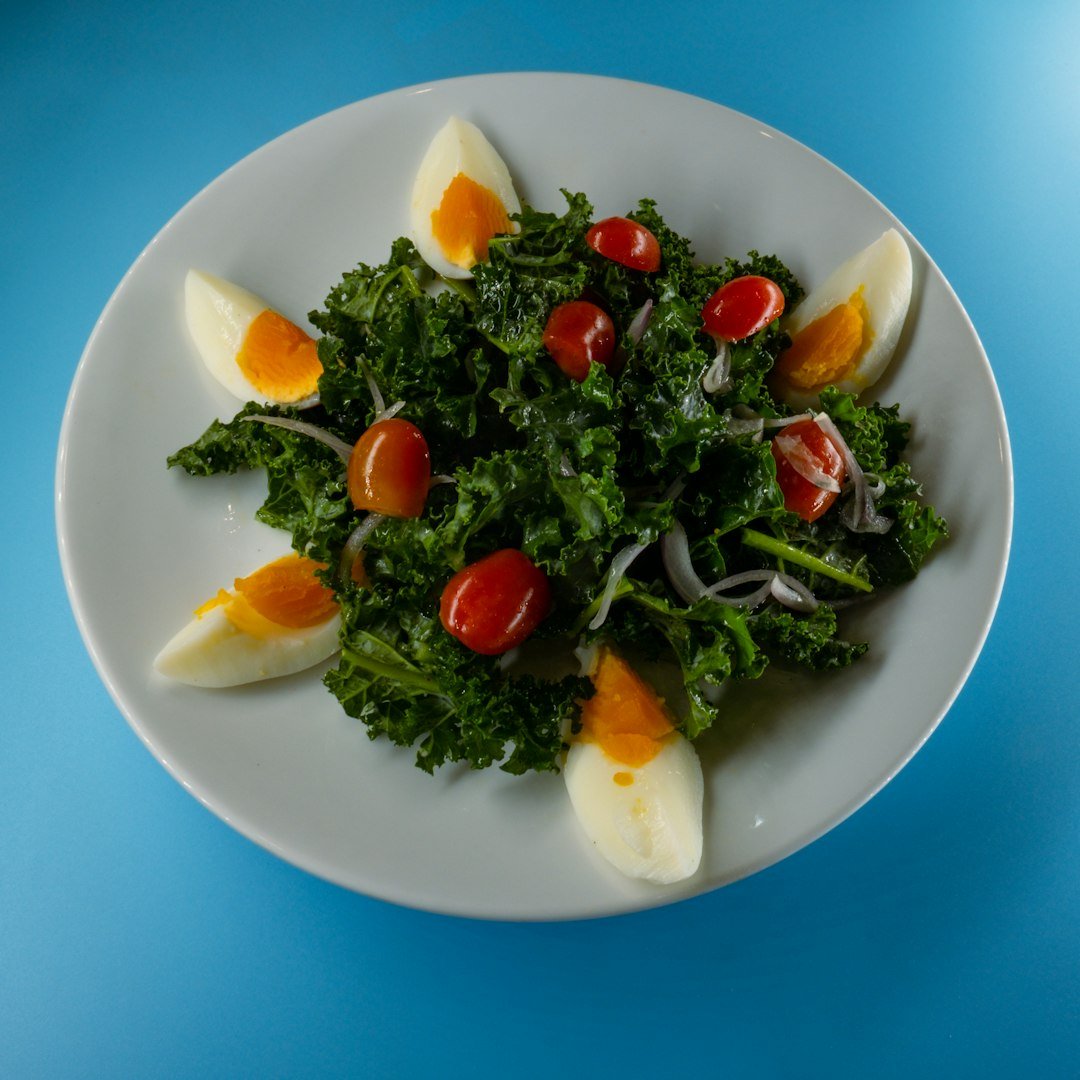

The Facts About quick healthy breakfast ideas for busy m
I’m going to tell you exactly what I do, in the order I do it. No introduction, no preamble. Just the method.
Step one: buy the ingredients. Step two: chop the vegetables. Step three: heat the pan. Step four: add the ingredients in this order. Step five: don’t walk away for three minutes. Step six: plate it. Step seven: taste it before adding salt. Step eight: eat it while it’s hot. Simple, right? But here’s where people go wrong: they skip step six. They taste it after adding salt..
It’s too late by then. You either over-salted it or you realize it needs more but you’ve already committed. Taste it first. Then adjust. I do this with every recipe. Every single one. It’s a small step. Makes a big difference. I’ve told this to people. They say it’s obvious. it’s. The obvious things are often the most important. Not because they’re deep. Because they’re easy to forget.
The Details
I make this for company sometimes. They always ask for the recipe. I tell them the recipe is simple: good stuff, don’t overcook it, taste as you go. They nod like they understand. Then I watch them completely ignore all three. Overcooking is the most common mistake. People think more time means better results. With this dish, more time means dry results. Less time, properly timed, means better results. Trust the shorter cook time.
wellness tips covers the basics in more detail. fitness routine is worth checking too.
The other thing: timing. Not cooking time—the timing of when you eat it. I used to make this for dinner. Then I tried it for breakfast and realized it works just as well at any meal. I stopped overthinking when to have it. This applies to everything I cook. Not just this dish. When you eat it changes how it tastes. Dinner feels heavier. Breakfast feels lighter. Lunch is somewhere in between. I’ve tested this with every version of this recipe. The timing matters more than I expected.
What to Do
Keep it simple. If a recipe has more than seven steps, it probably doesn’t need that many. I’ve tested this. Seven steps is the sweet spot for most things. More than seven and you’re likely duplicating effort. Something that requires fifteen steps can usually be done in five. The extra ten steps are usually waiting or cleaning. Good recipes minimize both. Bad recipes hide behind complexity. If a recipe needs a diagram, it’s probably too long.
Keep it simple. If a recipe has more than seven steps, it probably doesn’t need that many. I’ve tested this. Seven steps is the sweet spot for most things. More than seven and you’re likely duplicating effort. Something that requires fifteen steps can usually be done in five. The extra ten steps are usually waiting or cleaning. Good recipes minimize both. Bad recipes hide behind complexity. If a recipe needs a diagram, it’s probably too long.
Common Mistakes
Another common mistake: following the recipe too literally. The timing is approximate. The temperatures are guidelines. The recipe is a starting point, not a contract. The best cooks I know adjust everything on the fly. They taste as they go. They adjust the heat. They change the timing. That’s what separates a cook from a recipe follower.
Why This Works
What makes quick healthy breakfast ideas for busy mornings work is the combination of flavors. Salt brings out sweetness. Acid cuts through fat. Heat softens things and concentrates flavors. Put all three together and you get something greater than the sum of its parts. That’s cooking. It’s chemistry you can eat. And the best part: you don’t need a degree to understand it. You just need to pay attention.
What I Changed
The second biggest change? The order I add ingredients. Everyone adds them in the order the recipe says. I changed that. I add the aromatics first, let them bloom for thirty seconds, then add the rest. The flavor is deeper, richer, more complex. It’s one extra step. But that extra step does most of the work. The recipe says to add them together. I don’t. I’ve tried both ways side by side. The difference is obvious.
My Takeaway
If you’re going to remember one thing from all this, let it be this: cook with people around you. Not to help. To talk. The best meals I’ve ever made were when my kitchen was full of noise. Someone was asking what I was doing. Someone else was stealing bites. The food was better for it. Not because of the extra hands. Because of the extra life. Cooking alone is fine. Cooking with people is unforgettable. That’s the real secret. Not the ingredients. The atmosphere.
Quick Tips
Quick tips that will save you time and improve results: Prep your ingredients before you turn on the heat. Not after. Not during. Before. Mise en place isn’t a fancy technique. It’s just common sense. Have everything measured, chopped, and ready before you start. It changes the entire cooking experience..
Instead of rushing between tasks, you’re focused on one thing: the food. This also applies to cleanup. Wash the bowl you just used while the pan is heating. By the time you’re done cooking, the dishes are already clean. Most people clean after cooking. I clean during cooking. Both work. The second one is less stressful.
Bottom Line
Taste before you salt. That’s the one takeaway. Everything else follows from that.
According to Mayo Clinic, the evidence supports this approach.