
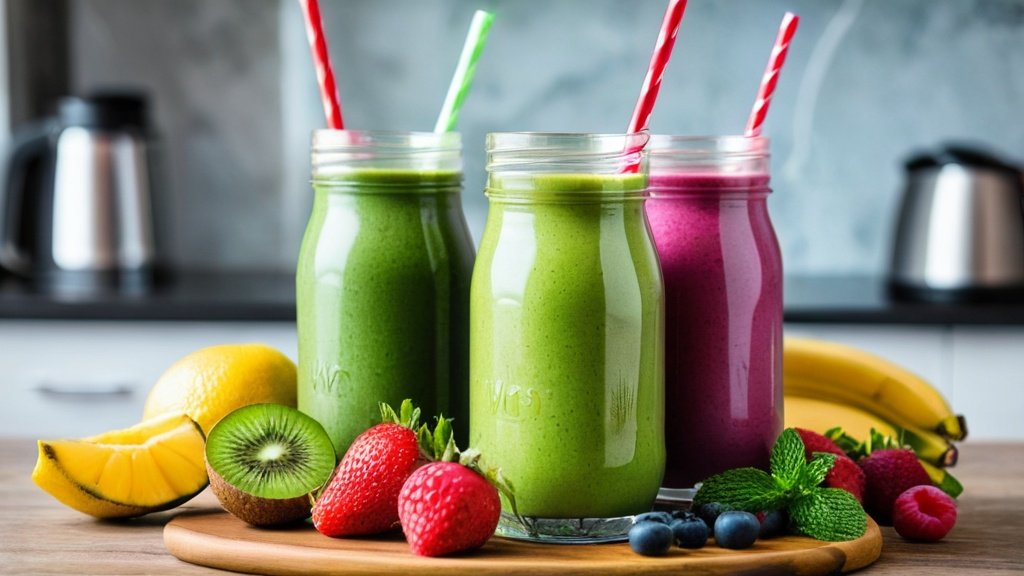
My journey towards a healthier lifestyle has been a series of experiments, a navigation through a vast ocean of information, and sometimes, a trial-and-error process. When I first contemplated incorporating smoothies into my diet for weight loss, I was met with a deluge of conflicting advice. Some promised miraculous results overnight, while others presented recipes that seemed more like dessert than a meal replacement. What I needed was a clear, factual roadmap, grounded in nutritional science, to guide my choices. This article represents my distillation of that knowledge, offering seven smoothie concepts that I have found to be effective and enjoyable, forming a sturdy raft to carry you to your own healthier shores.
The allure of a smoothie for weight loss lies in its versatility and nutrient density. When formulated correctly, a smoothie can be a powerful tool, a nutritional cavalry charge that delivers essential vitamins, minerals, and fiber directly into your system. It’s about creating a balanced nutritional profile, ensuring that each sip contributes to satiety, supports metabolic function, and provides sustained energy, rather than a fleeting sugar rush. The key is understanding the building blocks: the fruits, vegetables, protein sources, healthy fats, and liquids that, in proper proportion, become allies in your weight management efforts.
My exploration began with understanding the science behind satiety. Fiber, for instance, acts like a benevolent bouncer at the door of your stomach, slowing down digestion and keeping you feeling fuller for longer. Protein, another essential component, not only aids in muscle repair and growth but also has a significant thermic effect, meaning your body expends more energy to digest it compared to carbohydrates or fats. Healthy fats, often demonized, are actually crucial for hormone production and nutrient absorption, and when consumed in moderation, they contribute to feelings of fullness and can help regulate appetite. Combining these elements in a smoothie creates a synergistic effect, a well-oiled machine working towards your wellness goals.
Before delving into specific recipes, it’s crucial to understand the core components that transform a simple blend into a potent weight loss aid. Think of these as the essential gears and cogs that make the entire engine run smoothly.
The Importance of a Balanced Macronutrient Profile
Weight loss is not solely about calorie restriction; it’s about strategic nutrient intake. A well-balanced smoothie will contain a judicious blend of carbohydrates, proteins, and healthy fats to promote satiety and sustained energy.
Carbohydrate Sources: Fueling Your Day Wisely
While fruits are an excellent source of vitamins and fiber, their sugar content needs conscious management. Opting for lower-glycemic index fruits can be beneficial, and combining them with other ingredients helps moderate their impact on blood sugar.
- Berries: Strawberries, blueberries, raspberries, and blackberries are packed with antioxidants and fiber while being relatively lower in sugar compared to other fruits. Their vibrant colors are a testament to their rich phytonutrient content.
- Green Apples: A good source of pectin, a type of soluble fiber that can aid in digestion and promote feelings of fullness. Their tartness can also add a refreshing complexity to a smoothie.
- Avocado: While technically a fruit, its high healthy fat content means it contributes more as a fat source than a primary carbohydrate, providing creaminess and sustained energy.
Protein Powerhouses: The Satiety Architects
Protein is paramount for feeling full after a meal and for supporting muscle mass, which in turn boosts metabolism. Including a robust protein source ensures your smoothie functions as a satisfying meal replacement or a substantial snack.
- Whey Protein Isolate: One of the most bioavailable and rapidly absorbed protein sources, ideal for post-workout recovery or as a quick protein boost.
- Casein Protein: A slower-digesting protein, offering sustained release of amino acids, making it excellent for keeping you satiated for longer periods.
- Plant-Based Proteins (Pea, Rice, Hemp): Excellent alternatives for vegans or those with dairy sensitivities. Pea protein is known for its rich amino acid profile, while hemp offers a good source of omega-3 and omega-6 fatty acids.
- Greek Yogurt: A concentrated source of protein with a creamy texture. Opt for plain, unsweetened varieties to avoid added sugars.
- Tofu (Silken): Provides a neutral flavor base and a good amount of plant-based protein, contributing to a smooth texture.
Healthy Fats: The Sustained Energy Providers
Fats are not the enemy. When chosen wisely, they contribute to satiety, aid in the absorption of fat-soluble vitamins, and provide a steady release of energy.
- Chia Seeds: A nutritional powerhouse, they absorb liquid and swell, creating a gel-like consistency that enhances satiety. They are also rich in omega-3 fatty acids and fiber.
- Flaxseeds (Ground): Similar to chia seeds, ground flaxseeds offer omega-3s and fiber, aiding digestion and contributing to fullness. Grinding them is crucial for nutrient absorption.
- Almonds and Walnuts: These nuts provide healthy monounsaturated and polyunsaturated fats, along with fiber and protein, offering a satisfying crunch and flavor.
- Nut Butters (Almond, Peanut, Cashew): Ensure you choose natural, unsweetened varieties. They add richness, flavor, and a dose of healthy fats and protein.
The Crucial Role of Fiber: The Unsung Hero of Satiety
Fiber is not just a digestive aid; it’s a cornerstone of effective weight management, acting as a natural appetite suppressant.
Soluble vs. Insoluble Fiber: A Dynamic Duo
Both types of fiber play distinct yet complementary roles in promoting a healthy digestive system and supporting weight loss.
- Soluble Fiber: Dissolves in water to form a gel-like substance. Pectin in fruits and beta-glucans in oats are prime examples. This gel slows digestion, contributing to prolonged feelings of fullness.
- Insoluble Fiber: Does not dissolve in water and adds bulk to stool, promoting regular bowel movements. Found abundantly in leafy greens and whole grains, it aids in moving waste through the digestive tract.
Incorporating High-Fiber Vegetables and Fruits
Beyond the obvious fruits, a strategic inclusion of vegetables is key to boosting fiber content without significantly increasing sugar.
- Spinach and Kale: These leafy greens are nutrient-dense, low in calories, and packed with both soluble and insoluble fiber. They blend seamlessly into most smoothies, imparting minimal flavor but significant nutritional benefit.
- Cucumber: High in water content and fiber, cucumber adds a refreshing coolness and aids hydration, often overlooked but valuable in weight loss efforts.
- Celery: Another high-water, high-fiber vegetable that contributes a subtle savory note and can aid in flushing out excess fluids.
Hydration: The Unseen Catalyst for Metabolism
Adequate hydration is fundamental for all bodily functions, including metabolism and nutrient transport, and plays a vital role in weight management.
Water as the Primary Solvent
Water is the unsung hero of many internal processes, and its role in smoothies is multifaceted.
- Nutrient Dissolution: Water allows for the effective blending and absorption of nutrients.
- Satiety Support: A glass of water before a meal can contribute to feeling full. Similarly, the liquid base of a smoothie aids in this effect.
- Metabolic Function: Water is essential for cellular metabolism, the process by which your body converts food into energy.
Alternative Liquid Bases for Variety and Added Benefits
While water is the purest option, other liquids can enhance flavor and provide additional nutritional advantages.
- Unsweetened Almond Milk: Lower in calories than dairy milk and provides a creamy texture.
- Coconut Water (Unsweetened): Offers electrolytes and a subtle sweetness, but be mindful of natural sugar content.
- Green Tea (Chilled): Provides antioxidants and may offer a slight metabolic boost due to its caffeine and catechin content.
If you’re looking to enhance your weight loss journey, incorporating smoothies into your diet can be a delicious and nutritious option. These blended beverages can be packed with fruits, vegetables, and other healthy ingredients that support your goals. To complement your smoothie regimen, it’s essential to stay properly hydrated, as water plays a crucial role in weight loss and overall health. For more insights on hydration, check out this informative article on how much water you should drink each day: Hydration Calculator: Just How Much Water Must You Drink Each Day?.
Seven Delicious Weight Loss Smoothie Blueprints
These seven smoothie concepts are not rigid prescriptions but flexible frameworks, designed to be adapted to your personal preferences and nutritional needs. They are like pre-fabricated building blocks, ready for you to assemble into your own healthy dwelling.
1. The Green Powerhouse: A Nutrient-Dense Foundation
This smoothie is designed to be a nutritional artillery strike, delivering a broad spectrum of vitamins, minerals, and fiber with a minimal caloric footprint. It’s your daily dose of chlorophyll-fueled vitality.
Core Components for Maximum Impact
- Base: 1 cup unsweetened almond milk or water. This provides the liquid foundation without unnecessary calories.
- Greens: 2 cups packed spinach or kale. These are nutritional titans, offering a wealth of vitamins and fiber.
- Fruit (for sweetness and antioxidants): 1/2 cup frozen berries (strawberries or blueberries). This adds natural sweetness and potent antioxidants without a significant sugar load.
- Protein: 1 scoop vanilla or unflavored whey protein isolate or 1/2 cup plain Greek yogurt. This ensures satiety and supports muscle health.
- Healthy Fats/Fiber: 1 tablespoon chia seeds or 1 tablespoon ground flaxseeds. These are fiber and omega-3 powerhouses.
- Optional Boost: 1/4 avocado for creaminess and healthy fats. A small piece of fresh ginger for a metabolic kick and anti-inflammatory properties.
Flavor Variations and Add-ins
- Citrus Zing: Add the juice of half a lemon or lime for a refreshing tartness.
- Minty Freshness: A few fresh mint leaves can elevate the flavor profile and add a cooling sensation.
- Cucumber Cooler: Add 1/4 cup chopped cucumber for added hydration and a more subtle flavor.
2. The Berry Antioxidant Blast: Fighting Free Radicals
This smoothie is a vibrant celebration of berries, renowned for their antioxidant prowess and their role in supporting overall health and cellular repair. It’s a shield against oxidative stress.
The Art of Berry Blending
- Base: 1 cup unsweetened almond milk or water.
- Primary Fruit: 1 cup mixed frozen berries (blueberries, raspberries, blackberries). The diversity of berries ensures a wider array of antioxidants.
- Creaminess and Protein: 1/2 cup plain Greek yogurt or 1/2 scoop vanilla plant-based protein powder.
- Fiber Boost: 1 tablespoon psyllium husk or an additional 1/2 cup of spinach. This amplifies the fiber content for extended fullness.
- Sweetness Modifier (if needed): A few drops of stevia or a quarter of a ripe banana (use sparingly due to sugar content).
Enhancing the Antioxidant Profile
- Acai Berry Powder: A potent antioxidant known for its anti-inflammatory properties.
- Goji Berries: Chewy and packed with antioxidants, they can be added before blending or as a topping.
- Pomegranate Seeds: Add a tart complexity loved for their resveratrol content.
3. The Tropical Green Defense: A Vitamin C Powerhouse
This smoothie offers a delightful escape to the tropics while delivering a serious punch of Vitamin C and essential nutrients. It’s a sunshine-infused defense against illness.
Tropical Flavors Meet Green Goodness
- Base: 1 cup unsweetened coconut water or water.
- Greens: 1 cup packed spinach or romaine lettuce.
- Tropical Fruits: 1/2 cup frozen mango chunks and 1/4 frozen pineapple chunk. These provide natural sweetness and Vitamin C.
- Protein Source: 1 scoop unflavored protein powder or 1/4 cup silken tofu.
- Healthy Fats: 1 tablespoon unsweetened shredded coconut or 1/4 avocado.
Balancing Sweetness and Tartness
- Lime Juice: A squeeze of fresh lime juice cuts through the sweetness and enhances the tropical notes.
- Ginger: A small piece of fresh ginger adds a zesty, warming kick that complements the tropical flavors beautifully.
- Mint: Fresh mint leaves can provide a cooling contrast to the sweetness.
4. The Creamy Protein Indulgence: A Satisfying Meal Replacement
This smoothie is designed to mimic the texture and satiety of a indulgent treat, yet it is packed with protein and essential nutrients, making it an ideal meal replacement or post-workout recovery drink. It’s a guilt-free pleasure.
Achieving Creamy Satiety
- Base: 1 cup unsweetened almond milk or water.
- Protein: 2 scoops vanilla or chocolate whey protein isolate (or plant-based equivalent). This is the core of its meal-replacing power.
- Healthy Fats for Texture and Satiety: 1 tablespoon unsweetened natural peanut butter or almond butter, and 1/4 avocado.
- Fiber and Thickness: 1 tablespoon chia seeds or 1/2 cup frozen zucchini (peeled and chopped – when frozen, it adds thickness without flavor).
- Flavor Enhancer: 1 teaspoon unsweetened cocoa powder (for chocolate version).
Sweetness and Spice Considerations
- Cinnamon or Nutmeg: A pinch of cinnamon or nutmeg can add warmth and depth without adding sugar.
- Vanilla Extract: A splash of pure vanilla extract enhances the sweetness without calories.
- Low-Calorie Sweeteners: If absolutely necessary, a few drops of stevia or monk fruit extract can be used.
5. The Fiber Master: The Gut Health Champion
This smoothie prioritizes fiber intake, promoting digestive regularity and sustained fullness. It’s a gentle yet powerful force for gut health.
Maximizing Fiber Intake Strategically
- Base: 1 cup water or unsweetened herbal tea.
- High-Fiber Fruits: 1/2 green apple (with skin) and 1/2 cup berries.
- Fiber-Rich Vegetables: 1 cup chopped celery and 1/2 cup cooked and cooled oatmeal (adds soluble fiber and thickness).
- Fiber Boost: 1 tablespoon psyllium husk or 1 tablespoon ground flaxseeds.
- Optional Protein: 1/2 scoop of your preferred protein powder for added satiety.
Enhancing Digestibility and Flavor
- Lemon Juice: The acidity can aid digestion and cut through the earthier flavors of some fiber-rich ingredients.
- Peppermint Tea Base: Using peppermint tea as the liquid base can have a calming effect on the digestive system.
- Fennel Seeds: A small pinch of fennel seeds can aid in reducing bloating.
6. The Metabolism Booster: A Zesty, Warming Blend
This smoothie is designed with ingredients known for their potential to gently stimulate metabolism, offering a warming, invigorating experience. It’s an internal furnace.
Ingredients for Metabolic Support
- Base: 1 cup chilled green tea.
- Energizing Fruits: 1/2 cup frozen pineapple chunks and 1/4 cup frozen orange segments.
- Metabolic Kick: 1 inch piece of fresh ginger, 1/4 teaspoon cayenne pepper (adjust to tolerance).
- Protein and Satiety: 1/2 cup plain Greek yogurt or 1 scoop unflavored protein powder.
- Healthy Fats: 1 tablespoon chia seeds.
Flavor Balancing and Heat Management
- Honey or Maple Syrup (sparingly): If the cayenne is too intense, a tiny drizzle of honey or maple syrup can help balance the heat.
- Citrus: A squeeze of lemon or lime juice can further brighten the flavors and enhance the overall zestiness.
- Turmeric: A small pinch of turmeric powder can add anti-inflammatory benefits and a warm, earthy note, complementing the ginger.
7. The Simple Slim-Down: Minimalist but Mighty
For those days when time is short or you crave simplicity, this smoothie delivers essential nutrients with minimal ingredients. It’s the minimalist masterpiece of weight loss.
Essential Ingredients for Simplicity
- Base: 1 cup water or unsweetened almond milk.
- Primary Nutrient Source: 1 large handful of spinach.
- Sweetness and Fiber: 1/2 cup frozen berries or 1/2 frozen banana (use banana sparingly).
- Protein and Satiety: 1 scoop of your preferred protein powder.
- Optional Fat/Fiber: 1 tablespoon almond butter.
Customization for Flavor and Function
- Vanilla Extract: Adds perceived sweetness without sugar.
- Cinnamon: A simple way to add flavor and warmth.
- Ice: For a thicker, more refreshing consistency.
Integrating Smoothies into Your Weight Loss Strategy
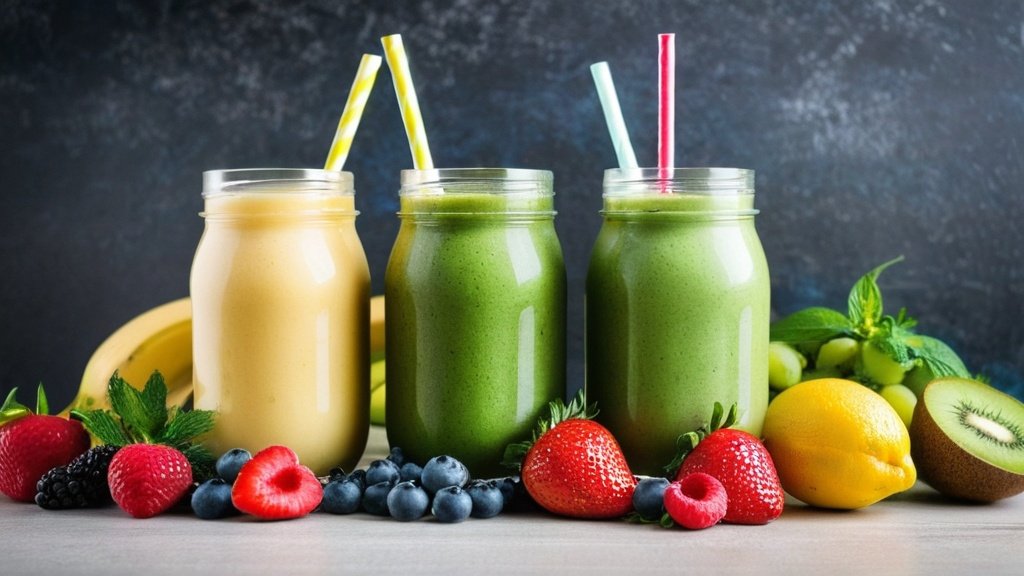
These smoothies are not magic bullets, but rather tools that can be incorporated into a comprehensive weight loss plan. Their effectiveness hinges on how they are integrated and the conscious choices made alongside them.
Strategic Meal Replacement: Optimizing Caloric Intake
The precise calorie count of a smoothie can vary significantly based on its ingredients. This section explores how to strategically use them to manage overall caloric intake.
Understanding Serving Sizes and Calorie Density
It is crucial to be aware of the calorie content of each ingredient. A handful of nuts, while healthy, can significantly increase the calorie count of a smoothie.
- Portion Control: Measure your ingredients accurately, especially nuts, seeds, and higher-calorie fruits.
- Calorie Tracking: If you are meticulously tracking calories, inputting your smoothie ingredients into a calorie-counting app will provide precise nutritional information.
- “Empty” Calories: Be mindful of added sugars in yogurts, flavored milks, or excessive fruit portions, which can negate the weight loss benefits.
When to Use Smoothies as Meal Replacements
Smoothies can be effective meal replacements for breakfast or lunch, provided they contain a balanced profile of macronutrients.
- Breakfast: A smoothie can be a quick and nutritious way to start the day, providing sustained energy.
- Lunch: A well-balanced smoothie can replace a traditional lunch, especially on busy days.
- Avoid Dinner Replacements: Generally, it is recommended to consume whole foods for dinner to promote satiety and better digestion before sleep.
Beyond the Blend: Supporting Lifestyle Habits
The most effective weight loss strategy is one that encompasses multiple healthy habits, with smoothies acting as a supportive component, not the sole solution.
The Importance of Whole Foods
While smoothies are nutrient-dense, they should complement, not completely replace, a diet rich in whole, unprocessed foods.
- Nutrient Synergy: Whole foods provide nutrients in their natural matrix, which can be more readily absorbed and utilized by the body.
- Chewing and Digestion: The act of chewing whole foods stimulates digestive enzymes and contributes to satiety signals.
- Dietary Variety: A diet based on whole foods ensures a broader spectrum of nutrients and phytochemicals.
Hydration and Physical Activity: Essential Companions
Adequate water intake and regular physical activity are indispensable for weight management and overall well-being.
- Water: As previously discussed, water is crucial for metabolism and satiety. Aim for at least eight glasses of water per day, and more if you are physically active.
- Exercise: Incorporate a mix of cardiovascular exercise for calorie expenditure and strength training to build muscle mass, which boosts resting metabolism.
- Mindful Eating: Pay attention to hunger and fullness cues, and savor your meals, whether they are whole foods or smoothies.
By thoughtfully constructing smoothies with nutrient-dense ingredients and integrating them into a balanced lifestyle, you can effectively harness their power to support your weight loss journey and cultivate a healthier, more vibrant you.