

A cholesterol result arrives without symptoms, which is exactly why it gets ignored. The number is worth acting on, but most of the advice attached to it is either vague or sold as a supplement. The interventions that reliably move LDL cholesterol are boring, cheap and measurable within about eight weeks.
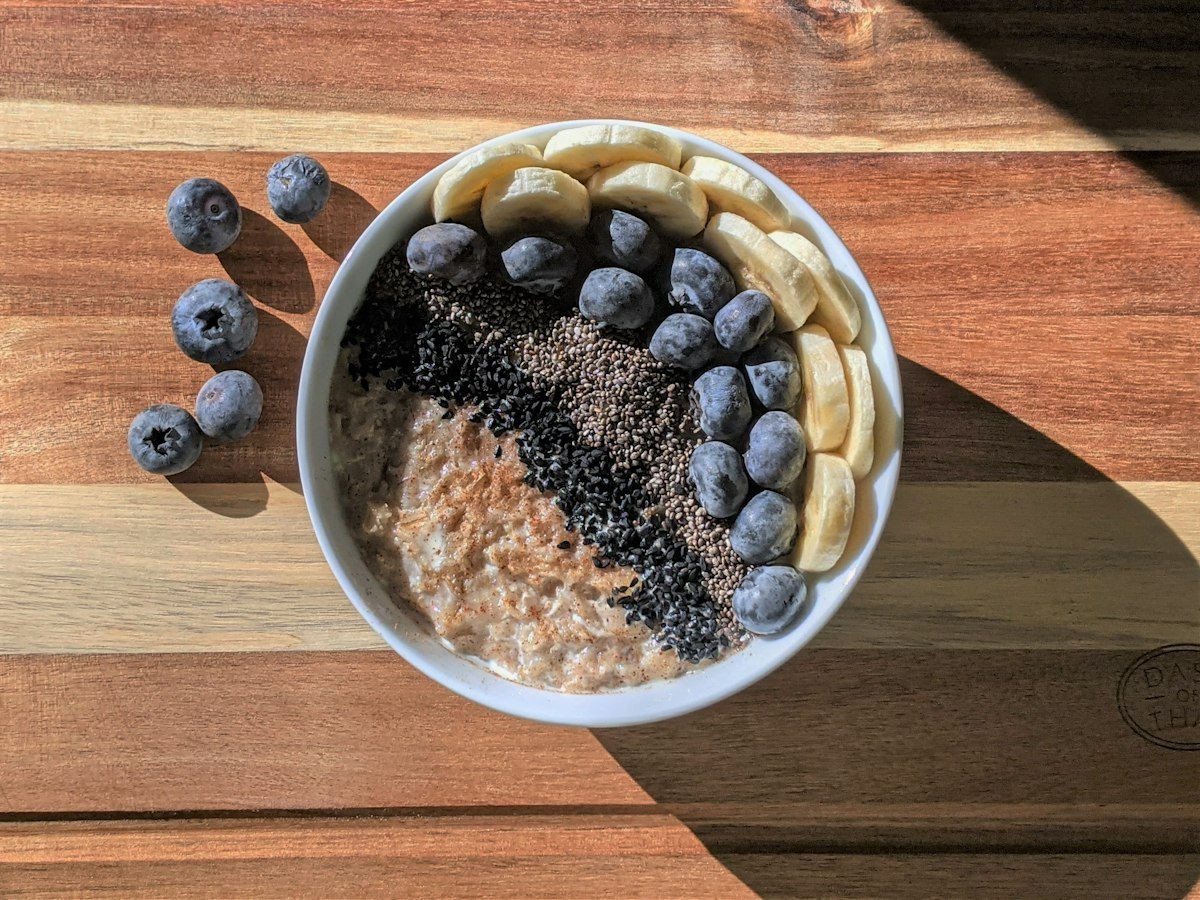
Start with the panel, not the supplement
“High cholesterol” is not one number. Before changing anything, know which marker is high, because the levers differ.
| Marker | What it means | Usual target |
|---|---|---|
| Total cholesterol | Sum of cholesterol carried in blood | Below 200 mg/dL (5.2 mmol/L) |
| LDL cholesterol | The fraction that accumulates in artery walls; the main treatment target | Below 100 mg/dL; lower if cardiovascular risk is high |
| HDL cholesterol | Transport fraction; higher is generally protective | Above 40 mg/dL (men), 50 mg/dL (women) |
| Triglycerides | Rises with alcohol, refined carbohydrate and excess calories | Below 150 mg/dL |
If total cholesterol is high only because HDL is high, the plan changes completely. Retest after any 8 to 12 week intervention rather than guessing.
Nine changes that actually move the number
- Add 5 to 10 g of soluble fibre a day. Oats, barley, beans, lentils and apples bind bile acid, which forces the liver to pull LDL out of the blood. This volume typically lowers LDL by roughly 5 to 7 percent.
- Swap saturated fat for unsaturated fat, do not just cut fat. Replacing butter and fatty beef with olive oil, nuts and fish improves LDL more than a low-fat diet that replaces fat with refined carbohydrate.
- Use plant sterols deliberately. About 2 g per day, available in fortified spreads and some yoghurts, blocks intestinal absorption and lowers LDL by roughly 8 to 10 percent. This is one of the few supplements with a real effect size.
- Choose legumes over processed snacks. A weekly swap of snacks to chia or flaxseed and bean-based dishes adds soluble fibre without extra calories.
- Include nuts most days. A handful of almonds or walnuts five times a week is associated with a modest LDL reduction; the almond comparison matters less than actually eating them.
- Lose 5 to 10 percent of body weight if you carry excess. That amount alone improves LDL and triglycerides; larger changes improve them further.
- Train both systems. Aerobic work lowers triglycerides and raises HDL; resistance training improves LDL particle handling. Three sessions a week is enough to change the panel.
- Cut alcohol to a planned amount. Triglycerides are the most alcohol-sensitive lipid. Two drinks on one evening can move the fasting result a week later.
- Stop smoking if you smoke. HDL recovers within weeks of quitting, and cardiovascular risk falls faster than any dietary change in the same period.
What not to spend money on
Red yeast rice contains a statin-like compound in inconsistent doses and behaves like a low-dose prescription with prescription side effects. Garlic, ginger and “detox” products show small or unreliable effects; the detox claim in particular has never had a lipid mechanism behind it. Fish oil lowers triglycerides, not LDL, at prescription doses.
When a doctor is the correct next step
- LDL above 190 mg/dL (4.9 mmol/L), or a family history of early heart disease: this pattern suggests familial hypercholesterolaemia, which diet alone will not normalise.
- Existing cardiovascular disease, diabetes, or a calculated 10-year risk that already indicates medication.
- Any plan that involves stopping a prescribed statin, which should be a decision made with a clinician rather than a reaction to a single reading.
Realistic timeline
Dietary changes show up in 6 to 8 weeks because that is the turnover time of the lipoproteins being measured. Training changes show up on a similar clock. Anyone promising a normal result in one week is selling something.
Frequently asked questions
How fast can LDL cholesterol drop?
Meaningful dietary change moves LDL within six to eight weeks, typically by 5 to 15 percent depending on how much saturated fat and soluble fibre change together.
Is high cholesterol always caused by diet?
No. Genetics set the baseline; diet usually moves the number by a moderate amount. Someone with familial hypercholesterolaemia may need medication regardless of diet quality.
Do eggs raise cholesterol?
Dietary cholesterol from eggs has a smaller effect on blood LDL than saturated fat does. Most guidance now allows regular egg consumption within an overall pattern that limits saturated fat.
Should I take a supplement instead of changing diet?
Only plant sterols have an effect size comparable to a small dietary overhaul. Supplements do not address triglycerides, weight or fitness, which are usually part of the same problem.
A one-week starter plan
Seven days is enough to change the inputs, though not yet the blood result. The order below front-loads the two changes with the largest effect per unit of effort.
- Day 1 to 2: add 20 g of soluble fibre at breakfast (40 g dry oats) and stop drinking alcohol on weeknights.
- Day 3: swap butter for olive oil in cooking, and put nuts in the shopping list.
- Day 4: replace one processed snack per day with legumes or fruit; see MedlinePlus on cholesterol for the food list used in clinical guidance.
- Day 5: add a 30-minute brisk walk and one set of resistance work.
- Day 6 to 7: cook two proteins and two bases so week two does not collapse, then book the fasting lipid retest for eight weeks out.
How to track progress without obsessing
Two numbers are worth recording: the waist measurement at navel level, monthly, and the fasting lipid panel at eight to twelve weeks. Weight alone is misleading in the first months, because muscle gain and fat loss can cancel on the scale while the waist shrinks. Everything else, including how you feel on day nine, is noise relative to those two measurements.
The lipid ranges, the 5 to 10 g soluble fibre recommendation, the 2 g plant sterol figure and the saturated-fat substitution guidance follow mainstream cholesterol-management guidelines (ACC/AHA and NICE) and the meta-analyses behind them. Individual targets depend on overall cardiovascular risk and should be set with a clinician.