
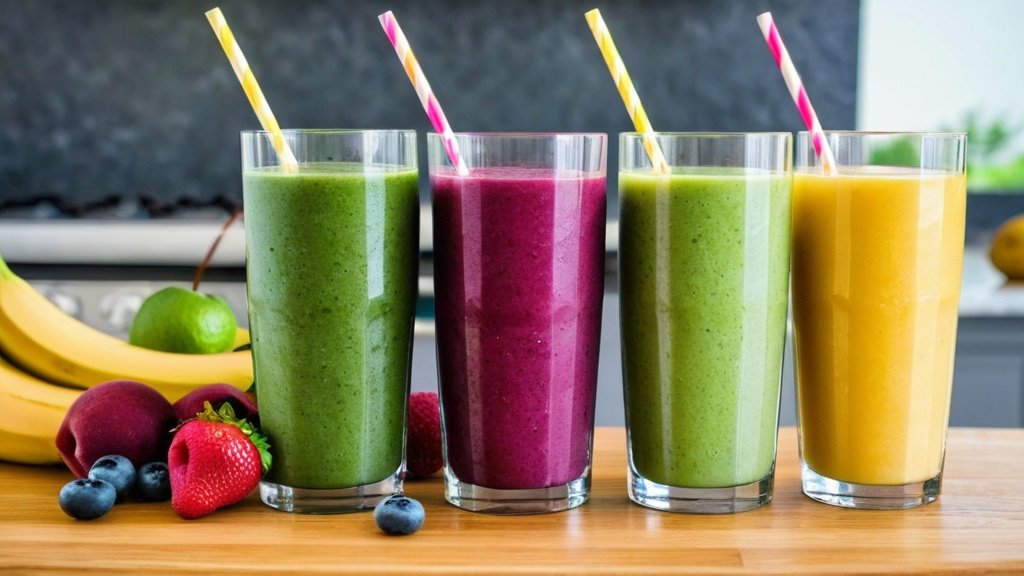
As a dedicated advocate for nutritional well-being, I’ve spent considerable time exploring effective methods of incorporating essential vitamins and minerals into my daily diet. Among these, smoothies have emerged as a cornerstone of my dietary regimen. They offer an unparalleled combination of convenience, versatility, and nutrient density, acting as a veritable liquid foundation for optimal health. My journey through countless ingredient combinations has led me to identify five particular recipes that consistently deliver both gustatory pleasure and significant nutritional benefits. Each of these recipes is designed to address a specific dietary need or preference, ensuring that you, the reader, can find a suitable option to integrate into your own lifestyle. My aim here is to provide you with a detailed, evidence-based understanding of each recipe’s composition and the specific health advantages it offers.
My mornings often begin with a surge of activity, and to match that pace, I require a breakfast that is both swift to prepare and robust in its nutritional offerings. The “Morning Energizer” smoothie has become my go-to for precisely this reason. It’s a blend thoughtfully created to provide sustained energy release, primarily through its strategic inclusion of complex carbohydrates and healthy fats. This smoothie acts as a metabolic kick-starter, preparing my body for the day’s demands.
Key Ingredients and Their Nutritional Contributions
The foundational components of this smoothie are intentionally chosen for their synergistic effects on energy levels and overall health.
Banana: The Unsung Hero of Electrolyte Balance
In this recipe, the banana serves as more than just a sweetening agent; it is a critical source of potassium. For me, potassium is like the electrical conductor of my body, key for nerve signal transmission and muscle contraction. A medium banana, approximately 118 grams, provides roughly 422 milligrams of potassium, which is about 9% of the recommended daily intake for adults. This electrolyte plays a important role in maintaining fluid balance, preventing cramps, and supporting cardiovascular health. Its natural sugars also offer a readily available energy source, ensuring a quick and noticeable boost without the subsequent “sugar crash” often associated with processed carbohydrates.
Spinach: A Micronutrient Multivitamin
I consider spinach a silent workhorse in this smoothie. Its mild flavor profile allows it to blend seamlessly into the mixture, yet its nutritional impact is profound. A single cup of raw spinach (approximately 30 grams) contains significant amounts of Vitamin K, Vitamin A (in the form of beta-carotene), Vitamin C, folate, and iron. These micronutrients are not merely present; they are highly bioavailable. For me, Vitamin K is like the architect of my bone structure, essential for proper blood clotting and bone health. Vitamin A contributes to my vision and immune function, while folate is critical for DNA synthesis and repair. The iron content, albeit non-heme, contributes to oxygen transport throughout my body, combating fatigue.
Almond Milk: A Dairy-Free Calcium Source
My preference for almond milk stems from its lower calorie count compared to cow’s milk and its suitability for individuals with lactose intolerance. Unsweetened almond milk, in particular, contributes a creamy texture without adding excessive sugars. Many varieties are fortified with calcium and Vitamin D, making them an excellent dairy alternative. Calcium, to me, is the bedrock of my skeletal system, and its collaboration with Vitamin D ensures proper absorption. A cup of fortified almond milk typically provides 450 milligrams of calcium, or 45% of the Daily Value, alongside 100 IU of Vitamin D, or 25% of the Daily Value.
Rolled Oats: The Sustained Energy Architect
The inclusion of rolled oats in my smoothie is a strategic move to ensure sustained energy release throughout my morning. Oats are a rich source of complex carbohydrates and soluble fiber, specifically beta-glucan. Beta-glucan, in my understanding, acts like a sponge in the digestive system, slowing down the absorption of sugars and preventing rapid spikes in blood glucose levels. This translates to a longer feeling of fullness and a gradual, steady supply of energy, preventing the mid-morning slump. and, the fiber content supports digestive regularity, which is a critical, though often overlooked, aspect of overall wellness.
Chia Seeds: Omega-3 Micro-Powerhouses
I refer to chia seeds as tiny nutritional powerhouses. These seemingly insignificant seeds are packed with omega-3 fatty acids, fiber, and protein. The omega-3s, specifically alpha-linolenic acid (ALA), are key for heart health and reducing inflammation throughout my body. The fiber content further contributes to satiety and digestive health, while the protein adds to the smoothie’s overall macro-nutrient balance, aiding in muscle repair and growth.
Preparation and Customization Notes
To prepare this smoothie, I combine 1 frozen banana, 1 cup of fresh spinach, 1 cup of unsweetened almond milk, 1/4 cup of rolled oats, and 1 tablespoon of chia seeds in a high-speed blender. I blend until the mixture is smooth and creamy, adjusting the consistency with additional almond milk if necessary. For customization, I sometimes add a scoop of vanilla protein powder for an extra protein boost, or a few dashes of cinnamon, which has antioxidant properties and can help regulate blood sugar.
If you’re looking to enhance your diet with nutritious options, exploring healthy smoothie recipes can be a great start. For more insights on how to maintain a balanced lifestyle, check out this related article on taking good care of your health at Taking Good Care of Your Health. This resource offers valuable tips that complement your journey towards a healthier you.
The Antioxidant Berry Blast: A Shield Against Oxidative Stress
My commitment to cellular health has led me to prioritize foods rich in antioxidants. The “Antioxidant Berry Blast” smoothie is my quintessential defense mechanism against oxidative stress, which I understand as the cellular rust that occurs from various environmental and metabolic factors. This smoothie is a vibrant mix of colors, each hue indicative of the various phytonutrients contained within.
Key Ingredients and Their Nutritional Contributions
The carefully selected berries and other ingredients in this smoothie form a robust defense against free radical damage.
Mixed Berries (Blueberries, Raspberries, Strawberries): The Colorful Defenders
I consider mixed berries to be the champions of antioxidant activity in this smoothie. Blueberries, in particular, are renowned for their high concentration of anthocyanins, which are flavonoids that give them their distinctive blue-purple hue. Anthocyanins, in my perception, act like tiny shields, protecting cells from damage. Raspberries contribute ellagic acid, a potent antioxidant, and strawberries offer a significant dose of Vitamin C. A cup of mixed berries provides a substantial amount of these compounds, alongside dietary fiber, which aids in digestion and blood sugar regulation.
Beetroot: The Nitric Oxide Enhancer
The inclusion of beetroot in this smoothie might seem unconventional to some, but its benefits are undeniable. Beetroot is a rich source of nitrates, which my body converts into nitric oxide. Nitric oxide, I’ve learned, acts as a vasodilator, meaning it widens blood vessels, improving blood flow and lowering blood pressure. This effect is key for cardiovascular health and can even enhance exercise performance by delivering more oxygen to working muscles. plus, beetroot contains betalains, another powerful class of antioxidants with anti-inflammatory properties.
Pomegranate Juice: Liquid Antioxidant Gold
I view pomegranate juice as a concentrated elixir of antioxidants. It is particularly rich in punicalagins, which are potent antioxidant compounds exclusive to pomegranates. These compounds, in my understanding, offer superior antioxidant activity compared to many other commonly consumed fruits. A modest portion of unsweetened pomegranate juice contributes significantly to the smoothie’s overall antioxidant capacity, supporting heart health and potentially contributing to cellular protection against various chronic diseases.
Ginger: The Anti-Inflammatory Catalyst
My experience has shown me that ginger is more than just a culinary spice; it is a powerful anti-inflammatory agent. The active compounds in ginger, particularly gingerols, have medicinal properties that can alleviate nausea, reduce muscle soreness, and combat inflammation throughout the body. For me, incorporating a small piece of fresh ginger into this smoothie acts as a subtle yet effective balm, aiding in recovery and maintaining overall comfort.
Preparation and Customization Notes
To create this antioxidant powerhouse, I combine 1 cup of frozen mixed berries, 1/2 cup of cooked or raw beetroot (peeled and chopped), 1/2 cup of unsweetened pomegranate juice, and a 1-inch piece of fresh ginger (peeled) in my blender. I add 1/2 cup of water or unsweetened almond milk to achieve the desired consistency. I often add a tablespoon of ground flaxseed for an additional boost of omega-3s and fiber. Occasionally, a squeeze of fresh lime juice can brighten the flavors and add another dimension to the taste profile.
The Gut Health Guardian: A Probiotic and Fiber Blend
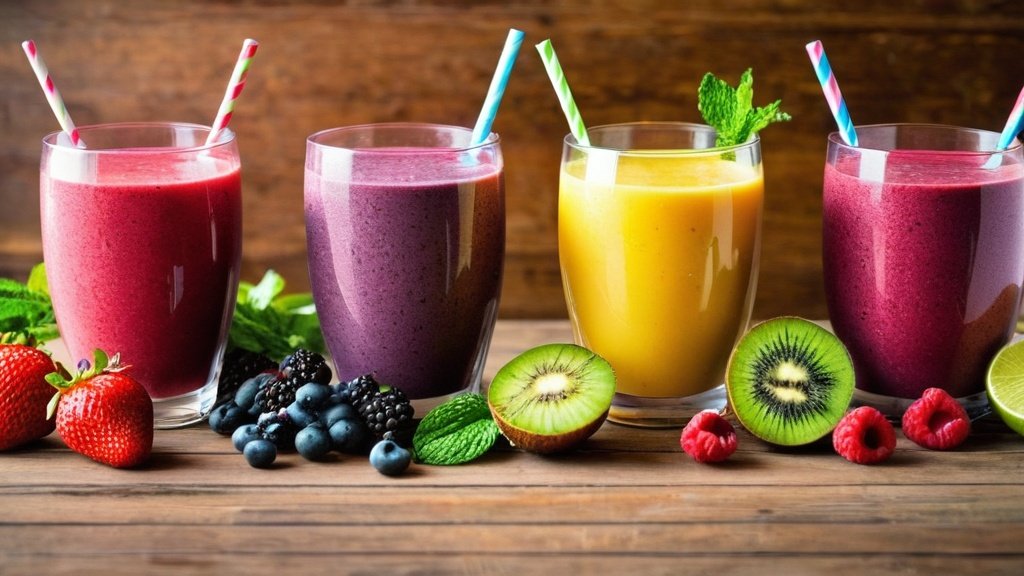
My understanding of overall health has increasingly emphasized the important role of the gut microbiome. The “Gut Health Guardian” smoothie is my specialized concoction designed to nurture this internal ecosystem. It’s a thoughtful combination of prebiotics, probiotics, and fiber, all working in concert to promote a balanced and thriving gut.
Key Ingredients and Their Nutritional Contributions
Each ingredient in this smoothie is selected for its specific contribution to digestive wellness.
Kefir: The Probiotic Champion
For me, kefir is the undisputed star of this gut-friendly smoothie. It’s a fermented milk product that contains a much more diverse and potent array of beneficial bacteria and yeasts compared to yogurt. These live cultures, I understand, colonize the gut and contribute to a healthy microbiome, which is essential for nutrient absorption, immune function, and even mood regulation. Kefir also provides protein and calcium, adding further nutritional value. Opting for plain, unsweetened kefir is key to avoid unnecessary sugar intake.
Green Apple: A Pectin Powerhouse
I include green apple for its rich pectin content, a soluble fiber that acts as a prebiotic. Prebiotics, in my analogy, are the sustenance for the beneficial bacteria in my gut. Pectin helps to regulate bowel movements and can contribute to a feeling of fullness. and, green apples are lower in sugar compared to their red counterparts, making them a suitable choice for this health-focused blend.
Psyllium Husk: The Fiber Fortifier
Psyllium husk is a non-fermentable soluble fiber that I find incredibly effective in promoting regularity and providing bulk to stool. It acts like a gentle broom for my digestive system, sweeping through and ensuring efficient waste elimination. I typically add a small amount, as too much can alter the smoothie’s texture significantly. Its role in maintaining colon health and regulating blood sugar levels is significant.
Unsweetened Prunes: A Natural Laxative
While prunes are often associated with their laxative properties, I recognize their broader nutritional value. They are a good source of dietary fiber, antioxidants, and several vitamins and minerals. The combination of soluble and insoluble fiber in prunes helps to promote regularity and can be particularly beneficial for individuals experiencing occasional constipation. I use them sparingly to avoid an overly sweet taste profile.
Preparation and Customization Notes
To assemble this gut-friendly elixir, I combine 1 cup of plain unsweetened kefir, 1 small green apple (cored and chopped), 1/2 teaspoon of psyllium husk, and 2 unsweetened prunes (pitted) in my blender. I add 1/4 to 1/2 cup of water to reach the desired consistency. For an extra immune boost, I sometimes include a few slices of fresh turmeric root, known for its anti-inflammatory properties, or a pinch of ground turmeric for convenience.
The Protein Powerhouse: Muscle Support and Satiety
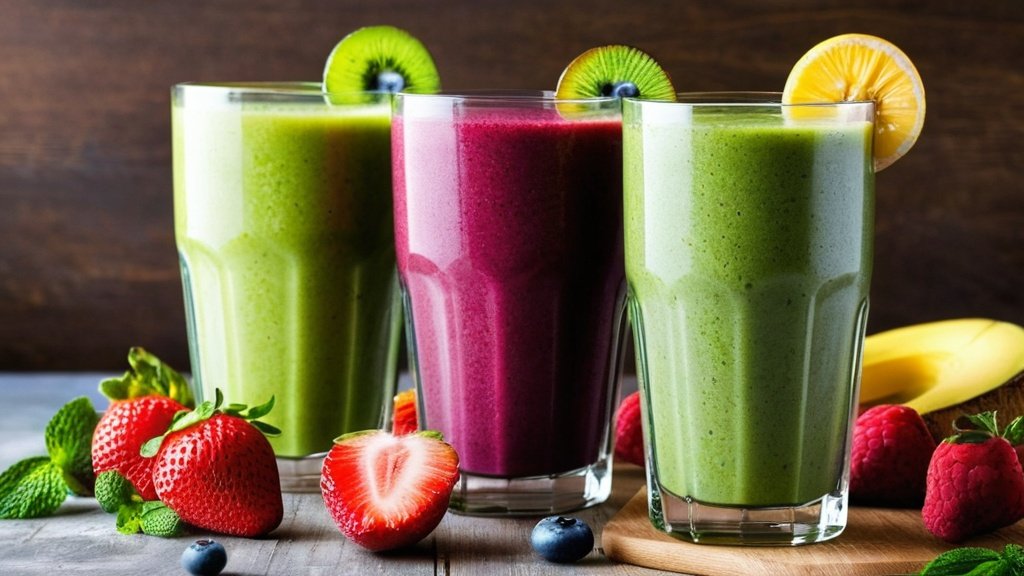
As someone who prioritizes physical activity, ensuring adequate protein intake is a non-negotiable aspect of my diet. The “Protein Powerhouse” smoothie is my strategic tool for muscle repair, growth, and sustained satiety, particularly beneficial after a strenuous workout or as a meal replacement. I see it as a liquid building block for my body.
Key Ingredients and Their Nutritional Contributions
The components of this smoothie are chosen specifically for their high protein content and complementary nutrient profiles.
Whey Protein Isolate: The Rapid Absorber
My preferred protein source for this smoothie is whey protein isolate due to its high protein content (typically over 90% protein by weight) and its rapid absorption rate. I view it as a fast-acting fuel for my muscles, offering a complete amino acid profile, including all nine essential amino acids. This makes it ideal for post-workout recovery, as it can quickly deliver amino acids to muscle tissue, initiating the repair process. For those with dairy sensitivities, a plant-based protein powder (like pea or soy isolate) can be an equally effective alternative.
Greek Yogurt: A Creamy Protein Deposit
Greek yogurt is another excellent source of protein, offering a more sustained release compared to whey protein. Its thicker consistency contributes to the smoothie’s creaminess and aids in satiety. I invariably choose plain, unsweetened Greek yogurt to avoid added sugars. It also provides beneficial probiotics, albeit usually in lower quantities than kefir, and calcium, essential for bone health.
Peanut Butter: The Healthy Fat and Protein Duo
I include natural peanut butter (or almond butter) for its synergistic blend of healthy fats, protein, and fiber. The monounsaturated and polyunsaturated fats contribute to heart health and help to slow down digestion, leading to prolonged feelings of fullness. This synergy of protein and fat creates a more satiating smoothie, preventing premature hunger. I always opt for brands with minimal ingredients, typically just peanuts and salt.
Banana: The Glycogen Replenisher
While primarily for sweetness and texture, the banana in this protein smoothie also serves as a source of easily digestible carbohydrates. After a workout, these carbohydrates are key for replenishing muscle glycogen stores, which I consider vital for energy restoration. Its potassium content also helps with electrolyte balance, supporting overall muscle function.
Preparation and Customization Notes
To create this muscle-supporting blend, I combine 1 scoop of whey protein isolate (approximately 25g protein), 1/2 cup of plain Greek yogurt, 1 tablespoon of natural peanut butter, 1 frozen banana, and 1 cup of unsweetened almond milk. I blend until thick and smooth, adding ice if I prefer a colder consistency. I sometimes sprinkle a few cacao nibs for a subtle chocolate flavor and added antioxidants, or a dash of vanilla extract to enhance the overall taste.
If you’re looking to boost your health with delicious and nutritious options, exploring healthy smoothie recipes can be a great start. These recipes not only provide essential vitamins and minerals but also offer a refreshing way to incorporate fruits and vegetables into your diet. For more insights on maintaining a healthy lifestyle, you might find this article on faith-based healthcare sharing particularly interesting, as it discusses holistic approaches to health and wellness.
The Immunity Booster: A Vitamin C and Zinc Fortress
| Recipe Name | Main Ingredients | Calories | Protein (g) | Fiber (g) | Preparation Time (min) | Health Benefits |
|---|---|---|---|---|---|---|
| Green Detox Smoothie | Spinach, Kale, Green Apple, Banana, Lemon Juice | 180 | 4 | 6 | 5 | Rich in antioxidants, supports digestion, boosts immunity |
| Berry Protein Blast | Mixed Berries, Greek Yogurt, Chia Seeds, Almond Milk | 250 | 20 | 8 | 7 | High protein, supports muscle recovery, rich in antioxidants |
| Tropical Energy Smoothie | Mango, Pineapple, Banana, Coconut Water, Turmeric | 220 | 3 | 5 | 6 | Boosts energy, anti-inflammatory, hydrates |
| Peanut Butter Banana Smoothie | Banana, Peanut Butter, Oats, Almond Milk, Honey | 320 | 12 | 7 | 5 | High protein and fiber, supports heart health, sustained energy |
| Avocado Spinach Smoothie | Avocado, Spinach, Greek Yogurt, Lime Juice, Honey | 270 | 10 | 9 | 6 | Good fats, supports brain health, rich in vitamins |
In my continuous effort to maintain a robust immune system, I’ve developed the “Immunity Booster” smoothie. This recipe is a carefully curated blend of ingredients renowned for their immune-supporting properties, particularly their high concentrations of Vitamin C and zinc, which I consider essential architects of my body’s defense mechanisms.
Key Ingredients and Their Nutritional Contributions
Each ingredient in this smoothie plays a specific role in enhancing immune function.
Orange: The Vitamin C Sentinel
The orange, for me, is the quintessential source of Vitamin C in this smoothie. Vitamin C is a powerful antioxidant that protects immune cells from damage and plays a key role in the production of white blood cells, which are the frontline soldiers of my immune system. A medium orange provides approximately 70 milligrams of Vitamin C, surpassing the recommended daily intake for adults. Its natural sweetness and tangy flavor also contribute significantly to the smoothie’s palatability.
Kiwi: The Dual Immune Enhancer
I value kiwis not only for their high Vitamin C content but also for their notable levels of Vitamin K and beneficial fiber. A single kiwi contains about 64 milligrams of Vitamin C, further bolstering the smoothie’s immune-boosting properties. The fiber contributes to gut health, which, as I’ve mentioned, is intimately linked to immune function. I include the skin after a thorough wash, as it contains additional fiber and micronutrients.
Ginger: The Anti-Inflammatory Guardian
As previously noted in the Antioxidant Berry Blast, ginger is a non-negotiable ingredient in my immune-boosting arsenal. Its potent anti-inflammatory and antioxidant properties, primarily due to gingerols, help to reduce inflammation throughout my body, which can suppress immune responses. I see ginger as a key modulator, helping my body to respond effectively to challenges.
Coconut Water: The Hydrating Electrolyte Provider
My choice of coconut water as the liquid base is strategic. It’s naturally rich in electrolytes like potassium, sodium, and magnesium, which are essential for maintaining proper hydration. Staying well-hydrated is a fundamental, yet often overlooked, aspect of immune health. I use unsweetened coconut water to avoid unnecessary sugar intake while benefiting from its natural nutrient profile.
Pumpkin Seeds: The Zinc Reservoir
I consider pumpkin seeds to be small but mighty reservoirs of zinc. Zinc is a critical trace mineral for immune function, involved in numerous cellular processes, including immune cell development and function. My body requires zinc to fight off infections, and a deficiency can impair immune responses. A quarter cup of pumpkin seeds provides approximately 2.5 milligrams of zinc, which is about 23% of the recommended daily intake. They also add a pleasant nutty flavor and a boost of healthy fats.
Preparation and Customization Notes
To prepare this immune-fortifying blend, I combine 1 peeled and segmented orange, 1 peeled kiwi, a 1-inch piece of fresh ginger (peeled), 1 cup of unsweetened coconut water, and 1 tablespoon of pumpkin seeds in my blender. I blend until entirely smooth. For an extra layer of immune support, I sometimes add a dash of turmeric powder or a few drops of propolis extract, known for its antimicrobial properties. The key is to blend until the fibrous components of the orange segments and ginger are fully incorporated, ensuring a smooth and enjoyable texture.
So, these five smoothie recipes represent a fraction of the culinary possibilities available when approaching nutritional intake with intention. My personal experience has repeatedly demonstrated that by carefully selecting ingredients and understanding their physiological impact, I can craft beverages that are not only delicious but also profoundly beneficial for my health. Each recipe is a proof to the power of whole, unprocessed foods to act as a bedrock for well-being. I encourage you, the reader, to experiment, adapt, and make these recipes your own, transforming them into integral components of your personalized dietary landscape.