
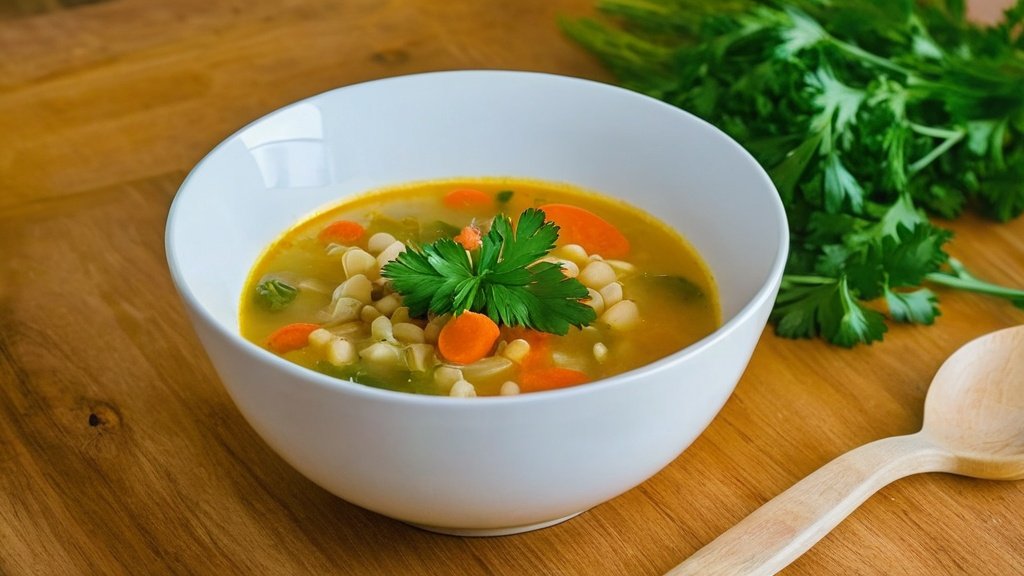
The creation of homemade soup is a fundamental culinary practice, evolving from a simple method of utilizing surplus ingredients into a nuanced art form that nourishes both the body and the spirit. My exploration into this area has revealed that a well-crafted soup is not merely a meal; it is a concentrated essence of flavor, a comforting embrace on a chilly evening, and a readily accessible source of vital nutrients. This article aims to guide you through the process of creating delicious and nutritious homemade soups, demystifying the techniques and ingredient selections that transform basic components into culinary triumphs.
The caliber of your soup is inextricably linked to the quality of its foundational liquid, the broth. Think of broth as the bedrock upon which the entire structure of your soup is built; a weak foundation will inevitably lead to a less than satisfying outcome. While commercially produced broths can be a convenient option, the depth and complexity achievable through homemade broth are unparalleled. This section will explore into the methods for creating superior broths, the essential components, and the key simmering process.
Vegetable Broth: The Versatile Canvas
A well-executed vegetable broth serves as a blank canvas, adaptable to a multitude of culinary directions. Its creation is an exercise in efficient ingredient utilization, often transforming kitchen scraps into a flavor-rich base.
Selecting Your Aromatic Ensemble
The selection of aromatics is critical in developing a nuanced vegetable broth. A balanced combination ensures that no single flavor overpowers the others, creating a harmonious whole.
- Onions: Yellow or white onions are typically preferred for their balanced sweetness and aroma. A slightly caramelized onion can introduce a deeper, richer note.
- Carrots: These contribute a subtle sweetness and a touch of earthy flavor. Avoid using overly woody carrots, as they can impart a bitter undertone.
- Celery: Celery provides a fresh, slightly peppery note that cuts through richness. The leaves, often discarded, are excellent additions for an intensified herbaceous flavor.
- Garlic: While not always included in a strictly clear vegetable broth, garlic cloves, gently bruised, offer a pungent depth that is great for many soup applications.
The Art of the Simmer: Patience as a Key Ingredient
The simmering process is where the magic truly happens. It is a slow extraction of flavor from the vegetables, a gradual infusing of goodness into the liquid.
- Initial Sear (Optional but Recommended): For an enhanced depth of flavor, consider lightly sautéing your chopped aromatics in a tablespoon of neutral oil before adding water. This caramelization process awakens their inherent sweetness and complexity.
- Cold Water Immersion: Always start with cold water. This ensures that the impurities in the vegetables are drawn out slowly and float to the surface, allowing for easy skimming.
- Gentle Simmer, Not a Rolling Boil: The key to a clear and flavorful broth is a gentle simmer. A vigorous boil can emulsify impurities, clouding the liquid and diminishing the clarity of the final product. Maintain a temperature just below boiling, observing small bubbles rising occasionally.
- Skimming for Purity: Throughout the simmering process, diligently skim off any foam or impurities that rise to the surface. This is a key step in achieving a clean and refined broth.
- Extended Simmer Time: A minimum of 1 hour is recommended for a basic vegetable broth, but allowing it to simmer for 2-3 hours will yield a significantly more concentrated and complex flavor.
Bone Broth: The Nutrient-Dense Elixir
Bone broth, particularly when made from animal bones, offers a distinct advantage in terms of nutritional content and a richer, more satisfying mouthfeel. It is a veritable font of minerals and amino acids.
Choosing Your Bones Wisely
The type and quality of the bones chosen will directly influence the flavor and nutritional profile of your bone broth.
- Beef Bones: Marrow bones are particularly valuable for their rich flavor and gelatin content. Knuckle bones and oxtail also contribute significantly.
- Chicken Bones: Carcass bones and feet are excellent choices for chicken bone broth, providing a lighter yet still nutrient-rich foundation.
- Pork Bones: Similar to beef, pork marrow bones and feet can create a robust and collagen-rich broth.
The Slow Cook for Maximum Extraction
The process of extracting nutrients and flavor from bones is a lengthy one, requiring prolonged, low-temperature cooking.
- Roasting Bones (Optional but Recommended): Roasting the bones before simmering imparts a deeper, more savory flavor to the broth. This step is akin to searing meat for a stew, developing complex Maillard reaction products.
- Acidic Introduction: Adding an acidic element, such as a tablespoon of apple cider vinegar or lemon juice, to the initial water helps to break down the collagen and minerals in the bones, facilitating their release into the broth.
- Extended Simmering Duration: Bone broth requires a more extended simmering period than vegetable broth. For beef and pork, aim for 12-24 hours. For chicken, 6-12 hours is generally sufficient. The goal is to achieve a gelatinous consistency when cooled, indicating a high collagen content.
- Straining and Degreasing: After simmering, carefully strain the broth through a fine-mesh sieve. Once cooled, the fat will solidify on the surface, allowing for easy removal. This degreasing step results in a cleaner flavor and a less oily final product.
If you’re looking to enhance your culinary skills while promoting a healthy lifestyle, you might find this article on nutritious homemade soup recipes particularly helpful. It offers a variety of options that are not only delicious but also packed with vitamins and minerals. For more inspiration, check out the article here: Nutritious Homemade Soup Recipes.
The Palette of Possibilities: Incorporating Whole Foods
Beyond the broth, the true artistry of homemade soup lies in the judicious selection and preparation of its solid components. These ingredients are the brushstrokes that bring your soup to life, layering textures and flavors.
Legumes: Powerhouses of Protein and Fiber
Legumes, such as beans and lentils, are unsung heroes in The area of healthy eating. They are affordable, versatile, and packed with essential nutrients.
Lentils: Quick-Cooking Wonders
Lentils are an excellent choice for busy cooks as they require minimal pre-soaking and cook relatively quickly.
- Red Lentils: Their mealy texture breaks down easily, making them ideal for thickening soups and creating a creamy consistency.
- Green and Brown Lentils: These retain their shape better, offering a pleasing textural contrast in heartier soups.
- Cooking Tip: Rinse lentils thoroughly before cooking to remove any debris. They can be added directly to the soup pot during the simmering process.
Beans: Deep, Satisfying Flavors
Dried beans, while requiring pre-soaking and longer cooking times, offer a more robust flavor and superior texture.
- Kidney Beans, Black Beans, Chickpeas: These are common choices for their mild flavor that readily absorbs the surrounding broth.
- Pre-Soaking and Cooking: The traditional method involves soaking dried beans overnight. Alternatively, a quick-soak method can be employed by boiling the beans for a few minutes, then letting them sit in the hot water for an hour before draining and rinsing. Beans can then be cooked in fresh water until tender before being added to the soup.
- Canned Beans: For convenience, rinsed and drained canned beans are a perfectly acceptable alternative, though their flavor may be less nuanced than home-cooked beans.
Whole Grains: Adding Substance and Sustenance
Incorporating whole grains into your soups adds a delightful chewiness, increases their satiety, and boosts their nutritional value by providing complex carbohydrates and fiber.
Barley: A Hearty Contributor
Pearl barley is a popular choice for its ability to absorb liquid and impart a subtle nutty flavor.
- Cooking Time: Barley typically requires about 30-40 minutes of simmering to become tender. It’s often added earlier in the cooking process to ensure proper softening.
- Texture: It lends a satisfying chewiness to thicker soups.
Quinoa: A Complete Protein
Quinoa, a pseudocereal, is a complete protein, meaning it contains all nine essential amino acids.
- Cooking: Quinoa cooks relatively quickly, in about 15-20 minutes. It’s best added towards the latter stages of soup preparation to prevent it from becoming mushy.
- Nutritional Boost: It offers a significant protein and fiber upgrade to any soup.
Leafy Greens: A Burst of Freshness and Nutrients
Leafy greens are a fantastic way to add a concentrated dose of vitamins, minerals, and antioxidants to your soups. Their vibrant colors also contribute to the visual appeal of the dish.
Spinach: The Quick Integrator
Spinach wilts down considerably when cooked, making it an easy addition to almost any soup.
- Timing: Add spinach in the last 5 minutes of cooking to preserve its nutrients and vibrant green color.
- Benefit: It’s a powerhouse of iron and vitamins A and C.
Kale: The Robust and Resilient
Kale, with its slightly tougher texture, requires a bit more cooking time than spinach.
- Preparation: Remove the tough stems before chopping the leaves.
- Cooking: Kale can be added about 10-15 minutes before the soup is finished to become tender.
- Nutritional Density: It’s exceptionally high in vitamins K, A, and C, as well as fiber.
The Art of Aromatic Enhancement: Herbs and Spices
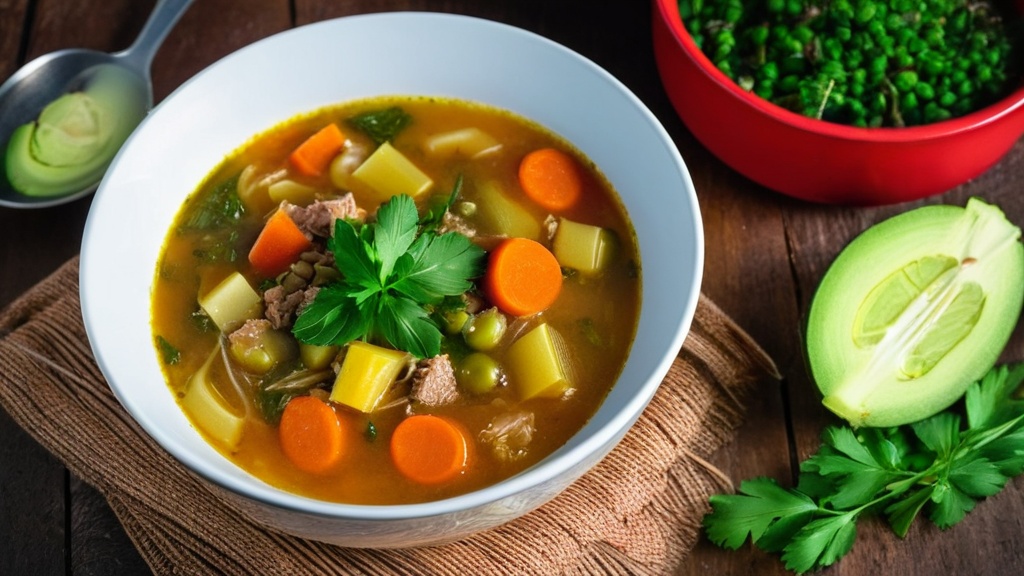
The judicious use of herbs and spices is what elevates a good soup to a truly exceptional one. They are the flavor architects, capable of transforming a simple broth into a symphony of tastes.
Fresh Herbs: The Bright Finish
Fresh herbs, added towards the end of cooking, provide a bright, vibrant flavor that can awaken the entire dish.
- Parsley: A universally loved herb that adds a clean, herbaceous note. It’s particularly effective in brothy soups.
- Cilantro: Offers a distinct citrusy and slightly pungent flavor, a staple in many Latin American and Asian cuisines.
- Dill: Possesses a unique anise-like flavor that pairs beautifully with fish and vegetable soups.
Dried Spices: The Deep Foundation
Dried spices, often added earlier in the cooking process, impart a deeper, more complex flavor that infuses the entire soup.
- Cumin: Its warm, earthy notes are a cornerstone of many chili and lentil soups.
- Coriander: Complements cumin with a citrusy, slightly floral aroma.
- Paprika (Sweet or Smoked): Adds a touch of sweetness and a vibrant red hue. Smoked paprika can introduce a desirable smoky undertone.
- Turmeric: Renowned for its anti-inflammatory properties and its beautiful golden color. A pinch can significantly enhance the visual appeal and nutritional profile.
Balancing the Flavors: Sweet, Sour, Salty, and Umami
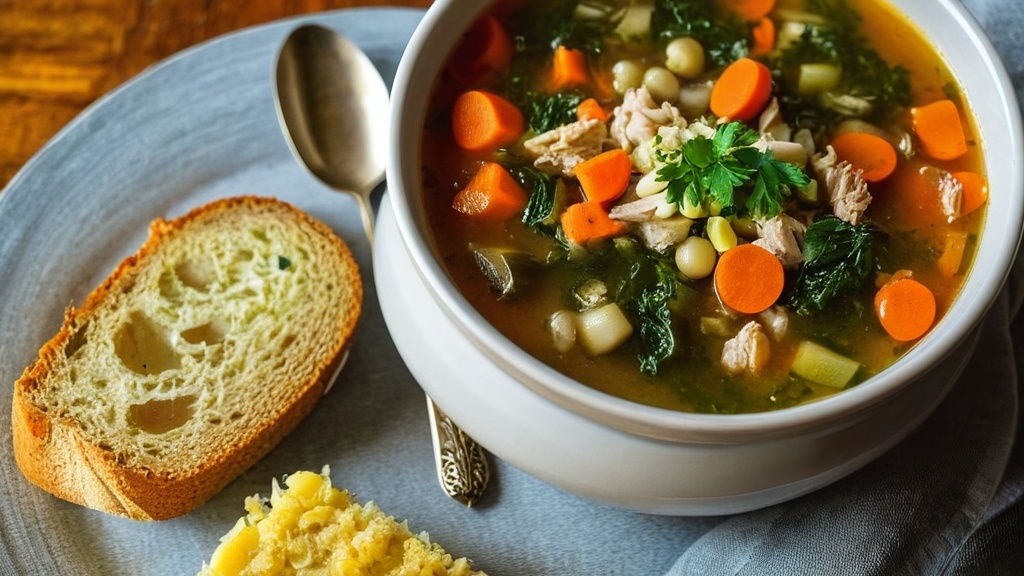
A truly balanced soup possesses a delightful interplay of fundamental tastes. This is the culinary equivalent of a well-tuned orchestra, where each instrument contributes to the overall harmony.
The Role of Acidity: Brightening and Cutting Through Richness
Acidity acts as a conductor, brightening flavors and providing a welcome counterpoint to rich or heavy ingredients.
- Lemon Juice: A few squeezes of fresh lemon juice at the end of cooking can transform a dull soup, adding a zesty lift.
- Vinegar: Various vinegars, such as apple cider vinegar, red wine vinegar, or balsamic vinegar, can provide a more complex acidity. Use sparingly to avoid overpowering the other flavors.
The Magic of Umami: The Savory Depth
Umami is often described as the “fifth taste,” a savory depth that makes food immensely satisfying. In soups, it can be achieved through several avenues.
- Tomatoes: Diced tomatoes, tomato paste, or sun-dried tomatoes are excellent sources of umami.
- Mushrooms: Dried mushrooms, rehydrated and their soaking liquid strained and added to the soup, can impart a profound umami flavor.
- Parmesan Rinds: A seemingly insignificant ingredient, a Parmesan rind simmered in the broth can contribute a significant amount of savory depth.
Seasoning: The Final Refinement
Seasoning is not merely adding salt; it’s the meticulous adjustment of flavors to achieve the desired profile.
- Salt: Use sea salt or kosher salt for a cleaner taste. Start with a small amount and add more gradually, tasting as you go.
- Black Pepper: Freshly ground black pepper adds a subtle heat and aroma.
- Taste and Adjust: The final tasting and adjustment of seasonings is a critical step. Don’t be afraid to add a little more salt, a touch more acidity, or a pinch of spice to perfect the flavor.
If you’re looking to enhance your culinary skills while promoting a healthy lifestyle, making homemade soup is a fantastic option. Not only can you control the ingredients, but you can also experiment with various flavors and textures. For more inspiration, check out this article on nutritious soup recipes that can easily be made at home. You can find it here: nutritious soup recipes. This resource provides a variety of ideas that will help you create delicious and wholesome meals for you and your family.
Practical Considerations for Nutritional Excellence
| Soup Type | Calories (per serving) | Protein (g) | Fiber (g) | Sodium (mg) | Main Ingredients | Health Benefits |
|---|---|---|---|---|---|---|
| Vegetable Lentil Soup | 180 | 12 | 8 | 350 | Lentils, carrots, celery, tomatoes, onions | High in protein and fiber, supports digestion |
| Chicken and Vegetable Soup | 150 | 15 | 3 | 400 | Chicken breast, carrots, celery, onions, garlic | Rich in lean protein, boosts immune system |
| Butternut Squash Soup | 120 | 3 | 4 | 300 | Butternut squash, onions, garlic, vegetable broth | High in vitamins A and C, supports eye health |
| Tomato Basil Soup | 90 | 2 | 2 | 280 | Tomatoes, fresh basil, onions, garlic | Rich in antioxidants, promotes heart health |
| Miso Soup | 70 | 4 | 1 | 600 | Miso paste, tofu, seaweed, green onions | Probiotic benefits, supports gut health |
Beyond the inherent goodness of whole ingredients, certain practices can further enhance the nutritional value of your homemade soups.
Reducing Sodium Intake Without Sacrificing Flavor
Many commercial soups are laden with sodium. Homemade versions offer a significant advantage in controlling this.
- Rely on Herbs and Spices: As previously discussed, a generous use of fresh and dried herbs and a well-selected spice blend can provide ample flavor without excessive salt.
- Umami Boosters: Ingredients rich in natural umami (tomatoes, mushrooms) can reduce the perceived need for added salt.
- Aromatics: The natural sweetness from carrots and onions, and the pungent notes from garlic and celery, contribute to a complex flavor profile that stands on its own.
Maximizing Nutrient Retention
The cooking process can impact nutrient levels. Employing certain techniques can help preserve the nutritional integrity of your ingredients.
- Shorter Cooking Times for Delicate Ingredients: Leafy greens and delicate vegetables should be added towards the end of the cooking process to minimize nutrient loss.
- Using Broth as a Cooking Medium: When cooking vegetables or grains directly in the soup, their released nutrients are retained within the liquid, becoming part of the final dish.
- Steaming or Blanching (for certain vegetables): While not always necessary for soup, in some cases, lightly steaming or blanching certain vegetables before adding them to the soup can help retain their vibrant color and nutrients.
Incorporating Healthy Fats
Fats, in moderation, are essential for nutrient absorption and contribute to satiety.
- Olive Oil: Extra virgin olive oil is a healthy fat that can be used for sautéing aromatics or drizzled over the finished soup.
- Avocado: Adding diced avocado as a garnish can provide a creamy texture and healthy monounsaturated fats.
- Nuts and Seeds: Toasted nuts or seeds can be sprinkled on top for a nutritional boost and a pleasing crunch.
My journey into The area of homemade soup has been one of continuous learning and discovery. Each pot I create is a proof to the simple yet profound power of nourishing ingredients transformed by time and care. By understanding the foundational elements of broth, the strategic incorporation of whole foods, the nuanced art of seasoning, and the practical considerations for nutritional excellence, you are well-equipped to start on your own delicious and nutritious soup-making adventures. Remember, the most important ingredient is your own creativity and willingness to experiment.